Best Aluminium Bars for Electrical Applications and Conductivity

Aluminium, a lightweight and corrosion-resistant metal, has been a popular choice for various industries due to its excellent physical properties. One of its most valuable applications is in electrical systems, where conductivity plays a critical role. When it comes to electrical applications, selecting the right material can make a significant difference in performance. Aluminium Tubes has been a trusted name in the industry, offering high-quality aluminium bars tailored for electrical uses. In this article, we will delve into the best aluminium bars for electrical applications and their conductivity properties, with a special focus on what makes Aluminium Tubes the preferred choice.

The Importance of Conductivity in Electrical Applications

Conductivity refers to the ability of a material to allow the flow of electric current. Materials with high electrical conductivity, such as copper, are traditionally used for electrical wiring and components. However, aluminium is increasingly being chosen for many electrical applications due to its combination of good conductivity and other beneficial properties.

Aluminium offers about 61% of the conductivity of copper but is much lighter and more cost-effective. This makes it an attractive alternative in situations where weight and cost are important considerations, especially in large-scale power transmission systems and electrical components.

Why Choose Aluminium Bars for Electrical Applications?

1. High Electrical Conductivity

One of the primary reasons aluminium is preferred for electrical applications is its excellent electrical conductivity. Although not as conductive as copper, its light weight and lower cost often outweigh the slight trade-off in conductivity, especially when used in long-distance power transmission lines. Aluminium bars have been specifically designed to maximize this conductivity while ensuring durability and efficiency in electrical systems.

2. Cost-Effective

Aluminium is significantly more affordable than copper, making it the material of choice for projects on a budget. When considering the large-scale needs of electrical utilities or industrial applications, the reduced cost of aluminium bars can lead to substantial savings without compromising on performance.

3. Lightweight and Durable

Aluminium bars are lightweight compared to copper, which makes them easier to transport and handle, especially in applications such as electrical transmission and distribution lines. The reduced weight also puts less strain on supporting infrastructure, enhancing overall system longevity. Additionally, aluminium is naturally corrosion-resistant, ensuring long-term durability in even the harshest environmental conditions.

4. Corrosion Resistance

Aluminium forms a thin oxide layer when exposed to air, which provides a natural protective coating. This oxide layer prevents further corrosion, making aluminium bars highly reliable in outdoor or damp environments. This corrosion resistance is particularly important in power lines and electrical components exposed to weather conditions over time.

5. Ease of Manufacturing

Aluminium is highly versatile and easy to process. It can be extruded, cast, and molded into various shapes, making it ideal for manufacturing aluminium bars for electrical purposes. This ease of customization allows manufacturers like Aluminium Tubes to provide bars with the precise specifications needed for specific electrical applications.

Best Aluminium Bars for Electrical Conductivity

Aluminium Tubes takes pride in offering a selection of premium aluminium bars that are designed to meet the specific needs of electrical applications. Our products are made using high-quality, pure aluminium, ensuring optimal conductivity and performance in any electrical system. Here’s a look at some of the top aluminium bars ideal for electrical uses:

1. Pure Aluminium Bars

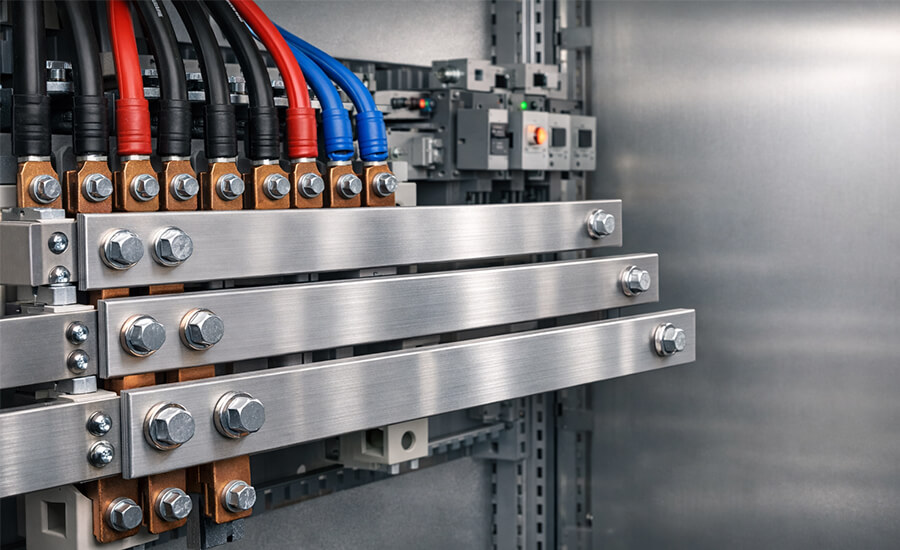
Pure aluminium bars are ideal for applications that demand excellent electrical conductivity. Aluminium Tubes offers high-grade pure aluminium bars that are perfect for electrical components, such as connectors, busbars, and wiring. These bars are crafted to provide maximum conductivity while maintaining strength and durability.

2. Aluminium Alloy Bars

While pure aluminium bars are excellent for conductivity, alloyed aluminium bars offer an additional advantage in terms of mechanical strength and versatility. Aluminium alloys like 1050, 1100, and 6063 are commonly used in electrical systems where both conductivity and strength are required. These alloys can be customized to meet the precise demands of your application while retaining impressive conductivity.

3. Extruded Aluminium Bars

Extrusion is a process used to form aluminium into specific shapes, such as bars or profiles. Extruded aluminium bars are widely used in electrical applications due to their precise shape and smooth surface. These bars offer excellent conductivity while being highly versatile for various electrical installations, from transformers to circuit boards.

4. Anodized Aluminium Bars

Anodizing aluminium involves an electrochemical process that thickens its natural oxide layer, providing enhanced corrosion resistance and surface hardness. Anodized aluminium bars are ideal for electrical applications in environments where resistance to weather and chemicals is crucial. These bars maintain high conductivity while providing additional protection against the elements.

5. Copper-Clad Aluminium Bars

For applications that require a mix of high conductivity and lower cost, copper-clad aluminium bars can be an excellent option. These bars combine the best properties of both copper and aluminium, with a thin layer of copper on the surface to improve conductivity. Copper-clad aluminium bars are often used in power cables, transformers, and other electrical components.

Applications of Aluminium Bars in Electrical Systems

Aluminium bars play a vital role in various electrical applications, providing both performance and cost-effectiveness. Some of the key uses include:

  • Power Transmission Lines: Aluminium is used extensively in high-voltage power lines due to its combination of low weight and good conductivity. This allows for efficient power transmission over long distances without the excessive cost or weight of copper.
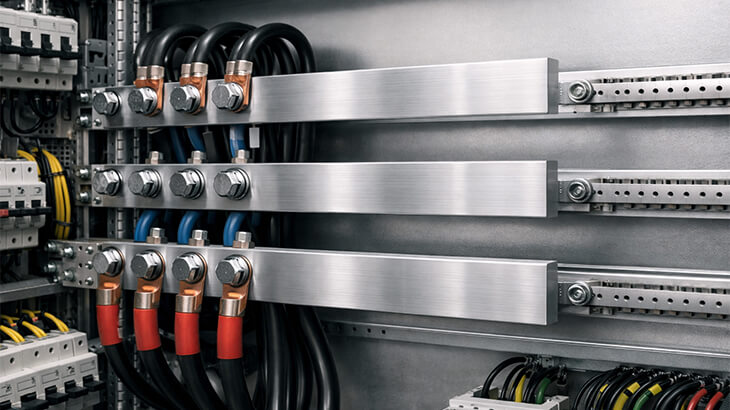
  • Busbars: Busbars are used in electrical distribution systems to conduct electricity. Aluminium bars are ideal for this application due to their excellent conductivity and lightweight nature, making them easier to handle and install.
  • Electrical Connectors: Aluminium bars are used to manufacture connectors that join electrical circuits and components, ensuring reliable connections while minimizing power losses.
  • Transformers and Circuit Boards: Aluminium bars are commonly used in electrical transformers, as they provide a cost-effective and efficient solution for power distribution.

Why Aluminium Tubes is the Best Choice for Aluminium Bars

Aluminium Tubes stands out as a trusted provider of aluminium bars for electrical applications. Our commitment to quality, innovation, and customer satisfaction ensures that we supply the best products for your electrical needs. Here’s why Aluminium Tubes is the right choice for your business:

  • High-Quality Material: We use only the finest materials to manufacture our aluminium bars, ensuring high conductivity and strength for all electrical applications.
  • Customizable Solutions: We understand that every project is different, which is why we offer a wide range of aluminium bar sizes, shapes, and alloys. We can work with you to provide tailored solutions to meet your specific requirements.
  • Durability and Performance: Our aluminium bars are built to last, providing you with a reliable solution for both short-term and long-term electrical needs.
  • Competitive Pricing: With Aluminium Tubes, you get top-quality products at affordable prices, making us the ideal choice for large-scale electrical projects.

Conclusion

When it comes to electrical applications, the selection of materials is crucial for ensuring optimal performance and longevity. Aluminum bars offer an excellent balance of conductivity, strength, and affordability, making them an ideal choice for a variety of electrical applications. Aluminium Tubes provides the best aluminium bars tailored for your needs, ensuring that you get the highest quality products with exceptional performance and value. Whether you’re working on power transmission, electrical connectors, or circuit boards, trust Aluminum Tubes for all your aluminium bar requirements.
How to Choose the Right Aluminium Tube Supplier for Your Industry

Choosing the right Aluminium Tube supplier is important for product quality, project speed, and long-term business success. For buyers, the best supplier is not only the one with a low price, but the one that can give you consistent quality, reliable delivery, and the right tube for your exact application. This guide is written for readers who want a simple, professional, and practical way to choose a supplier for Aluminium Tubes.

Why the Right Supplier Matters

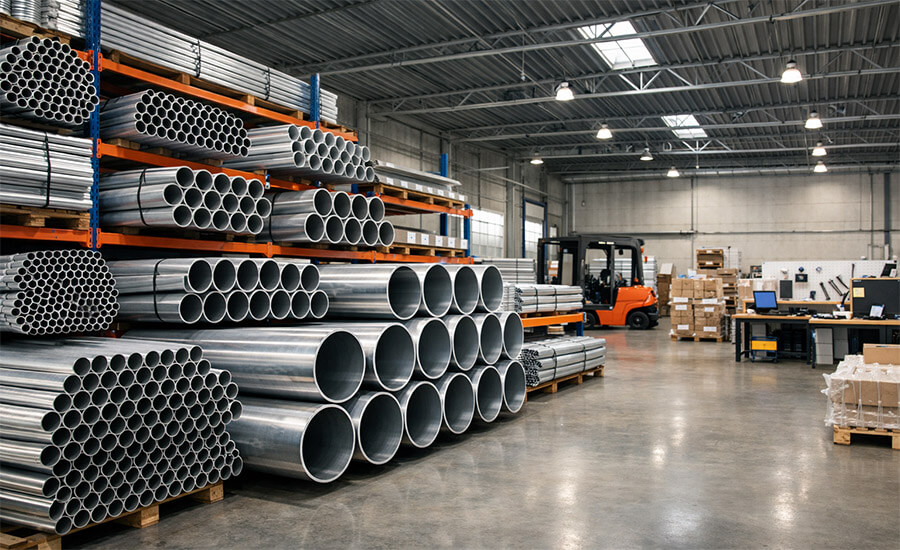
Aluminium tubes are used in many industries, including construction, Automotive, Aerospace, HVAC, furniture, fabrication, and general manufacturing. Because each industry has different needs, the supplier must understand more than just metal sizes. They should know the difference between standard tubing and custom tubing, and they should be able to support your project from first quote to final delivery.

A weak supplier can cause delays, bad fit, poor finish, or inconsistent performance. A strong supplier helps you reduce waste, save time, and keep your own customers satisfied. That is why supplier selection should be treated as a business decision, not just a purchasing task.

Check Product Range

A good supplier should offer more than one type of tube. Many buyers need round tubes, square tubes, and custom sizes, along with a choice of lengths, diameters, and thicknesses. The wider the product range, the easier it becomes to source everything from one place.

You should also check whether the supplier offers common grades such as 6061 and 6063, since these are widely used in industrial and commercial applications. If your business needs specialty alloys or custom specifications, the supplier should be able to support that too. A limited catalog can become a problem later if your project grows or changes.

Review Quality Standards

Quality is one of the most important things to check when choosing a supplier. Look for clear manufacturing standards, inspection processes, and product consistency. A reliable supplier should be able to explain how they control dimensions, strength, finish, and material traceability.

If your industry has strict requirements, ask whether the supplier works with recognized quality systems and whether they can provide certificates or test reports. This is especially important for buyers in aerospace, transportation, utilities, and industrial manufacturing. Good quality control reduces defects and gives you more confidence in every order.

Ask the Right Questions

Before you place an order, ask practical questions that reveal how dependable the supplier really is. These questions help you compare options in a fair and simple way. They also show whether the company understands your industry needs.

Ask about:

  • Available alloys, sizes, and shapes.
  • Minimum order quantities.
  • Custom cutting or fabrication options.
  • Quality checks and documentation.
  • Delivery timelines and shipping coverage.
  • Returns or replacement policies.

A professional supplier should answer these questions clearly and without delay. If the responses are vague, that may be a warning sign.

Evaluate Service and Support

Good customer service matters more than many buyers expect. When you are ordering technical products like aluminium tube, you may need help choosing the right size, alloy, or finish. A helpful supplier will guide you instead of just pushing the nearest stock item.

Strong support also matters after the order is placed. If there is a problem with a shipment, a drawing, or a specification, you want a team that responds quickly and professionally. The best suppliers act like long-term partners, not one-time sellers.

Balance Price and Value

Price should always be compared with value. The cheapest supplier may seem attractive at first, but if the product arrives late, does not meet specifications, or creates rework, the real cost becomes much higher. A good purchasing decision looks at the total value, not just the invoice amount.

When comparing suppliers, consider quality, service, speed, and consistency along with price. A slightly higher price can still be the better choice if it protects your schedule and reduces risk. This is especially true for industrial buyers who depend on repeat orders and stable supply.

Why Buyers Choose Aluminium Tubes

Many buyers want a supplier that feels simple, professional, and easy to work with. That means clear product information, reliable availability, and a website or sales process that makes ordering straightforward. A strong supplier brand also creates trust, especially for first-time customers.

For a business like Aluminium Tubes, the goal should be to make the buying process easy for US customers. That means speaking in plain language, showing product options clearly, and helping buyers understand which tube is right for their project. The easier it is to understand the product, the faster customers can make a decision.

Final Buying Checklist

Use this checklist before you choose a supplier:

  • Do they offer the tube size and alloy you need?
  • Can they provide custom services if required?
  • Do they follow quality standards you can trust?
  • Are their lead times realistic for your schedule?
  • Do they communicate clearly and quickly?
  • Does the total value justify the price?

If the answer to most of these questions is yes, you are likely looking at a strong supplier. The right partner will help your business run more efficiently and deliver better results.


Choosing the right aluminium tube supplier is about more than finding a vendor. It is about finding a dependable partner who understands your industry, supports your specifications, and delivers on time. For US buyers, the best choice is a supplier that combines product quality, service, and practical business value.

Drawn Aluminum Tube Manufacture: Precision Engineering for Modern Industries

In today’s fast-evolving industrial environment, industries demand lightweight, durable, and high-performance materials. One such essential material is the drawn aluminum tube, known for its strength, precision, and versatility. Aerospace, automotive, construction, and medical sectors rely heavily on drawn aluminum tubing for critical applications. At AluminiumTubes, we deliver high-quality drawn aluminum tube solutions that meet strict engineering and industrial standards.

What is a Drawn Aluminum Tube?

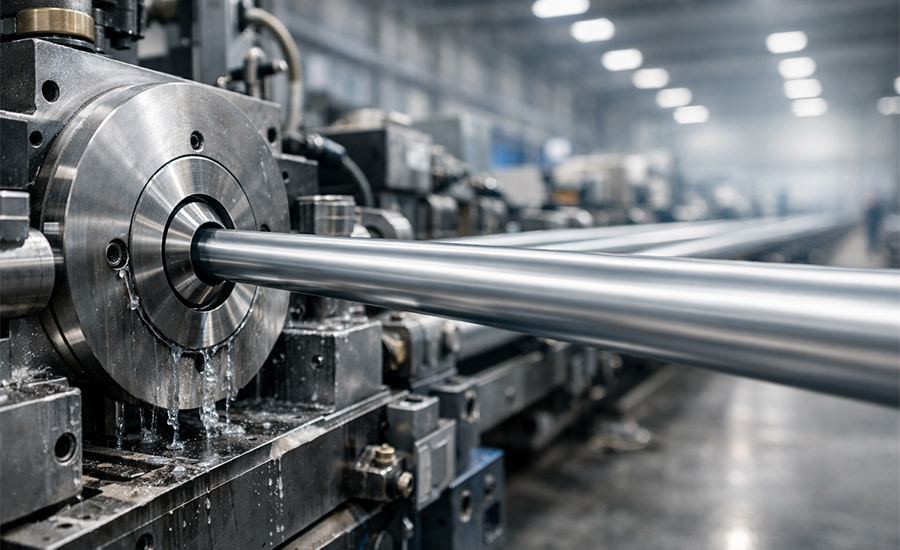
A drawn aluminum tube is a precision-engineered product created through a cold drawing process. This method improves dimensional accuracy, mechanical strength, and surface finish. Unlike standard extruded tubes, cold drawn aluminum tube products undergo additional processing to enhance structural integrity. Because of this, they perform well in applications that demand consistency and tight tolerances. Industries that require high precision aluminum tubing often prefer this solution.

Drawn Aluminum Tube Manufacturing Process

Manufacturers produce a drawn aluminum tube through several controlled steps. First, they heat an aluminum billet and push it through a die to create a hollow tube. This step forms the base structure.

Next, they apply the cold drawing process. In this stage, the tube passes through a die to reduce its diameter and wall thickness. At the same time, the process improves strength and precision. This step helps create precision drawn aluminum tubes with consistent quality.

After drawing, the tube undergoes annealing. This heat treatment removes internal stress and improves ductility. As a result, the tube becomes easier to handle in demanding applications.

Workers then straighten and cut the tubes into required lengths. Finally, they apply finishing processes such as polishing or coating when needed. Each seamless drawn aluminum tube goes through strict inspection to meet industry standards set by a reliable aluminum tube manufacturer.

Key Benefits of Drawn Aluminum Tubes

The drawn aluminum tube offers several important advantages. First, it delivers high precision due to tight tolerances and consistent dimensions. This makes it ideal for applications that require accuracy.

In addition, drawn aluminum tubing provides better strength than standard extruded tubes. This allows it to perform well under stress.

Another benefit is its lightweight structure combined with durability. Aluminum naturally resists corrosion because it forms a protective oxide layer. This feature extends the lifespan of the material.

The smooth surface finish also reduces the need for extra processing. Because of this, manufacturers save time and cost when using custom aluminum tubes in production.

Applications of Drawn Aluminum Tubes

Many industries use the drawn aluminum tube because of its versatility. In aerospace, engineers use it for aircraft structures, fuel lines, and hydraulic systems. Its strength-to-weight ratio makes it highly effective.

Automotive manufacturers depend on aluminum tube applications for chassis components, heat exchangers, and fuel systems. Lightweight materials help improve efficiency and performance.

Construction and architecture sectors use drawn aluminum tubing for frameworks, railings, and design elements. These tubes offer both strength and visual appeal.

Medical equipment manufacturers choose these tubes for their precision and clean surface. This makes them suitable for sensitive devices.

Industrial machinery also relies on drawn aluminum tube solutions for pneumatic systems, conveyor systems, and mechanical components that require reliability.

Why Choose AluminiumTubes?

At AluminiumTubes, we focus on delivering premium-quality drawn aluminum tube products for global industries. As a trusted aluminum tubing supplier, we use advanced manufacturing methods and strict quality checks. This ensures consistent performance and reliability.

Our team supports both custom and bulk requirements. Whether you need specialized dimensions or large-scale supply, we provide precision drawn aluminum tubes that meet your needs. Visit https://aluminiumtubes.org/ to explore our full range of aluminum tubing solutions.

Conclusion

The drawn aluminum tube plays a vital role in modern engineering. It offers precision, strength, and versatility across industries. From seamless drawn aluminum tube solutions to custom designs, demand continues to grow. Choosing AluminiumTubes ensures access to high-quality products built for long-term performance and reliability.

Aluminum Round Tube Applications: Industrial Uses, Benefits, and Modern Engineering Solutions

Aluminum has become one of the most widely used materials in modern engineering and manufacturing. Among the many forms in which aluminum is used, aluminum round tubes stand out because of their versatility, durability, and lightweight structure. These tubes are used in a wide range of industries including construction, automotive manufacturing, furniture design, and renewable energy systems. As industries continue to focus on efficiency, durability, and sustainability, aluminum tubing has become an essential solution for structural and mechanical applications.

Because of their excellent strength-to-weight ratio, corrosion resistance, and ease of fabrication, aluminum round tubes are now widely used in both industrial and commercial environments. From building structures to transportation equipment, these tubes support modern engineering needs while reducing overall material weight and maintenance costs.

What Are Aluminum Round Tubes?

Aluminum round tubes are hollow cylindrical sections made from aluminum alloys and are typically produced through extrusion or drawing processes. These manufacturing methods allow producers to create tubes with precise diameters, wall thicknesses, and surface finishes depending on the requirements of specific applications.

Since they are hollow, aluminum round tubes provide significant structural strength while using less material than solid bars. This reduces overall weight while maintaining durability. Aluminum tubing also offers natural corrosion resistance, excellent machinability, and an attractive appearance, which makes it suitable for both structural and decorative uses.

Construction and Architectural Applications

One of the most important aluminum round tube applications can be found in the construction and architectural sector. Modern buildings require materials that combine strength with lightweight characteristics, and aluminum tubing meets these requirements effectively.

Aluminum round tubes are widely used in railings, fencing systems, structural frames, and support columns. Architects frequently incorporate them into outdoor structures such as pergolas, canopy frames, and decorative building elements. Because aluminum can be anodized, powder-coated, or finished with different textures, it allows designers to achieve both durability and aesthetic appeal.

Another advantage of aluminum tubing in construction is its lightweight nature, which simplifies transportation and installation. This helps reduce labor costs and construction time, making aluminum tubing a practical choice for both residential and commercial building projects.

Automotive and Transportation Industry Uses

The automotive and transportation industries represent another major area where industrial aluminum tubing uses continue to expand. Vehicle manufacturers constantly look for ways to reduce weight in order to improve fuel efficiency and lower emissions. Aluminum round tubes offer a strong yet lightweight alternative to traditional materials such as steel.

These tubes are often used in vehicle frames, structural supports, exhaust systems, and drive shafts. In modern vehicles, aluminum tubing helps reduce the overall weight of the structure without compromising strength or safety. The rise of electric vehicles has further increased the demand for aluminum components because lighter materials help improve battery efficiency and extend driving range.

Aluminum also has excellent heat dissipation properties, which makes it suitable for parts that manage heat in engines, battery systems, and other mechanical components.

Industrial Machinery and Manufacturing Equipment

Another significant area of industrial aluminum tubing uses is in manufacturing equipment and industrial machinery. Many factories rely on aluminum round tubes to build machine frames, conveyor systems, mechanical supports, and automated production equipment.

One of the main reasons aluminum is widely used in industrial fabrication is its ease of processing. The material can be cut, drilled, welded, and bent with relative ease, allowing manufacturers to create custom components and specialized structures. Aluminum also resists corrosion and environmental damage, which ensures long-term reliability in demanding production environments.

Industries such as electronics manufacturing, pharmaceutical production, and food processing often prefer aluminum structures because they offer clean surfaces, durability, and consistent performance.

Furniture Manufacturing and Interior Design

Aluminum round tubes also play an important role in furniture manufacturing and interior design. Modern furniture designs often emphasize minimalism, durability, and portability, and aluminum tubing supports these requirements effectively.

Designers frequently use aluminum round tubes to create chair frames, table bases, shelving systems, and office furniture structures. The smooth surface and sleek appearance of aluminum make it well suited for contemporary interior styles.

Unlike wood or steel, aluminum does not rust, warp, or degrade easily, which makes it ideal for furniture used in homes, offices, and commercial spaces. The lightweight nature of aluminum also allows furniture to be easily moved or rearranged without sacrificing strength.

Marine and Coastal Applications

Marine environments present significant challenges for many construction materials due to constant exposure to moisture, saltwater, and changing weather conditions. Aluminum round tubes are particularly suitable for these environments because aluminum naturally forms a protective oxide layer that prevents corrosion.

For this reason, aluminum tubing is widely used in boat frames, dock structures, marine railings, and other coastal equipment. In addition to corrosion resistance, aluminum’s lightweight properties help improve vessel performance and fuel efficiency.

These advantages have made aluminum tubing an important material in both commercial marine construction and recreational boating industries.

Renewable Energy and Solar Infrastructure

The growth of renewable energy technologies has created new opportunities for aluminum round tube applications. Solar and wind energy systems require durable materials that can withstand outdoor weather conditions for long periods.

Aluminum round tubes are commonly used in solar panel mounting structures, solar tracking systems, wind turbine support components, and outdoor lighting poles. Their corrosion resistance allows them to perform well in outdoor environments, while their lightweight structure simplifies installation and transportation.

As global demand for clean energy continues to increase, aluminum tubing will remain an essential component in renewable energy infrastructure.

Medical and Recreational Equipment

Aluminum round tubes are also widely used in the production of medical and recreational equipment. Because aluminum is lightweight, strong, and easy to fabricate, it is ideal for products that need to be portable and durable.

Medical equipment such as wheelchairs, hospital beds, and stretchers often incorporate aluminum tubing in their structural frames. In recreational equipment, aluminum round tubes are commonly used in bicycle frames, camping furniture, tent poles, and outdoor sports gear.

These applications benefit from aluminum’s combination of strength, portability, and resistance to environmental damage.

Advantages of Aluminum Round Tubes

The increasing popularity of aluminum tubing across industries can be attributed to several important material advantages. Aluminum is significantly lighter than many traditional metals, which reduces transportation costs and simplifies installation. Despite its low weight, it offers excellent structural strength and reliability.

Aluminum also naturally resists corrosion, which allows it to perform well in outdoor, marine, and industrial environments without extensive protective coatings. Another important advantage is its fabrication flexibility. Aluminum can be easily welded, machined, drilled, and formed into complex shapes, making it suitable for custom industrial applications.

Additionally, aluminum can be finished using processes such as anodizing, polishing, or powder coating, which enhances both appearance and durability. From a sustainability perspective, aluminum is also highly recyclable and can be reused repeatedly without losing its material properties.

Future Trends in Aluminum Tubing

The demand for aluminum tubing is expected to increase in several emerging industries, including electric vehicles, green building construction, aerospace engineering, and renewable energy systems. Advances in aluminum alloy technology and manufacturing techniques are enabling the production of stronger, lighter, and more specialized tubing products.

These innovations will continue expanding the potential uses of aluminum round tubes and support industries that require efficient, lightweight, and sustainable materials.

Choosing the Right Material for Your Next Project: Is 4130 Alloy Steel Less Expensive Than 6061 Aluminum?

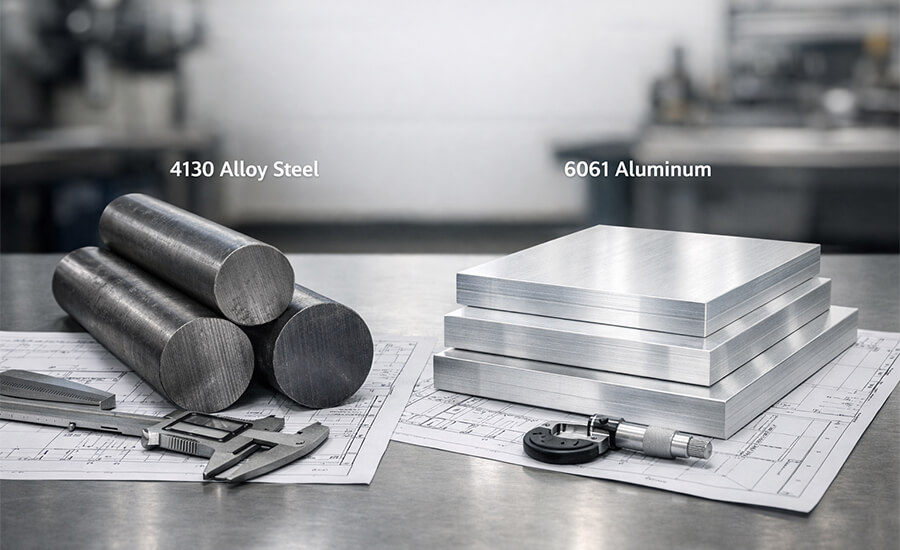
Whether you are building a custom automotive chassis, fabricating lightweight aerospace components, or designing heavy-duty structural frames here in the USA, selecting the right material is a critical decision. Two of the most popular heavy-hitting materials in the fabrication world are 4130 alloy steel (commonly known as chromoly) and 6061 aluminum.

A question our experts at Aluminium Tubes hear frequently from manufacturers and hobbyists alike is: Is 4130 alloy steel less expensive than 6061 aluminum?

The short answer is yes, 4130 alloy steel is typically less expensive than 6061 aluminum when looking strictly at the raw cost per pound. However, for American businesses and DIY fabricators aiming to optimize their budgets, looking only at the base price can be incredibly misleading. Let’s dive deep into the real costs associated with these materials, comparing their physical properties, fabrication expenses, and long-term value to see which metal truly offers the best return on your investment.

The Raw Material Cost Comparison
4130 Alloy Steel vs 6061 Aluminum: Cost Comparison Guide

When comparing the raw material prices directly, 4130 alloy steel takes the lead as the more budget-friendly option by weight. Market data indicates that 4130 steel can cost around $0.95 per kilogram, whereas 6061-T6 aluminum averages around $2.42 per kilogram. Furthermore, comparative material indexes show that the base metal relative price of 6061 aluminum is roughly 9.5, compared to just 2.4 for 4130 steel.

Based on these numbers alone, purchasing a ton of 4130 steel will demand a significantly lower initial capital outlay than purchasing a ton of 6061 aluminum. If your project has a strict, immediate budget for raw materials and weight is not a restrictive factor, 4130 chromoly is highly attractive.

The Weight and Volume Factor

Here is where the pricing dynamics begin to shift. Metals are usually priced by weight, but they are utilized by volume. This makes the density of the material a crucial factor in your overall project cost.

6061 aluminum boasts a density of just 2.7 g/cm³ (or 2,700 kg/m³), while 4130 steel is a much denser, heavier material at 7.8 g/cm³ (or 7,800 kg/m³). In practical terms, this means that steel is nearly three times heavier than aluminum.

When you order a specific length of tubing—such as our premium Aluminium Round Tubes—you are getting substantially more material volume per pound than you would with steel. While you might pay more for a pound of 6061 aluminum, that single pound will yield significantly more linear footage of tubing than a pound of 4130 steel. When you calculate the cost per foot rather than the cost per pound, the price gap between the two materials narrows dramatically.

Fabrication and Machining Costs

The true cost of a material isn’t just what you pay the supplier; it also includes the labor, time, and tooling required to transform it into a finished product. This is an area where 6061 aluminum shines brilliantly.

Aluminum is exceptionally easy to work, machine, file, drill, and sand. Its machinability rating is often evaluated at around 360%, which is drastically higher than standard structural steels that sit closer to 78%. This incredible machinability means that your cutting tools will last much longer, your machining speeds can be significantly faster, and your overall labor costs will drop.

On the other hand, 4130 alloy steel is known for being extremely hard and tough, which makes it much harder to machine. Welding 4130 steel also comes with its own set of challenges. To retain ample strength at welded seams, the tubing may require specific post-weld heat treatments (such as normalizing or quenching and tempering) to prevent the heat-affected zones from becoming a weak link in your structure.

Conversely, 6061 aluminum is heavily favored in modern manufacturing because it is relatively strong and can be easily welded. Whether you are setting up a large-scale manufacturing run or doing custom fabrication, the time and tooling saved by using aluminum can easily offset its higher initial raw material cost.

Long-Term Maintenance and Durability

Finally, when calculating the lifecycle cost of your project, you must consider environmental wear and tear. 4130 alloy steel is susceptible to atmospheric moisture and will rust if left unprotected. To prevent this, steel requires routine maintenance, protective coatings, or painting, which adds to the lifetime cost of the product.

Aluminum provides a massive advantage here. It does not rust. When 6061 aluminum is exposed to an oxygen-rich environment, it naturally builds a protective layer of oxidation that defends the metal from the elements without the need for expensive surface treatments. This makes aluminum highly reliable and virtually maintenance-free

Demystifying Aluminum Extrusion Manufacturing: The Ultimate Guide to Extruded Aluminium Tubes

Look around you, and you will see aluminum extrusions in almost every facet of daily life—from the cars we drive to the buildings we work in. But have you ever wondered how these complex, durable, and lightweight shapes are actually made?

At Aluminium Tubes, we believe that understanding the manufacturing process is the first step in making the best material choices for your engineering, architectural, or manufacturing projects in the USA. In this comprehensive guide, we will break down exactly what aluminum extrusion manufacturing is, how it works, and why it might be the perfect solution for your next big project.

What is Aluminum Extrusion?

At its core, aluminum extrusion is a highly versatile manufacturing process where a solid cylinder of aluminum alloy is forced through a shaped die to create a continuous profile with a specific cross-section.

If you want a simple way to visualize it, think about squeezing a tube of toothpaste. As you squeeze, the paste emerges in the exact shape of the tube’s opening. In industrial extrusion, a powerful hydraulic ram acts as the “fingers,” pushing the heated, malleable metal through a custom steel die to create anything from simple angles to complex, multi-void hollow shapes.

The 10-Step Extrusion Process

Transforming raw aluminum into high-quality profiles is a precise and fascinating journey. Here is how the magic happens in ten fundamental steps:

  1. Die Preparation: A die is precision-machined from steel and preheated to 450–500°C to ensure even metal flow and maximize the die’s lifespan.
  2. Billet Heating: A solid cylindrical block of aluminum, known as a billet, is heated in an oven to 400–500°C. This makes the metal malleable enough to shape, but not molten.
  3. Transfer and Lubrication: The heated billet is transferred to the press, and a release agent is applied to both the billet and the ram to prevent sticking.
  4. Pressing: A hydraulic ram applies immense pressure (up to 15,000 tons), pushing the malleable aluminum into the press container.
  5. Emerging Through the Die: With nowhere else to go, the metal is forced through the die’s openings, emerging as a fully formed profile.
  6. Runout and Quenching: A puller guides the continuous extrusion along a runout table while it is “quenched” or uniformly cooled using water baths or fans.
  7. Shearing: The continuous extrusion is sheared by a hot saw to the length of the runout table.
  8. Cooling: The profiles are transferred to a cooling table where they remain until they reach room temperature.
  9. Stretching: To correct any natural twisting that occurs during cooling, the profiles are mechanically gripped on both ends and stretched into perfect straightness.
  10. Final Cut and Aging: The extrusions are cut to their final specified lengths (often 8 to 21 feet). Depending on the alloy, they are then moved to an aging oven for heat treatment to exponentially enhance their strength.

A Closer Look at Extruded Aluminium Tubes

When it comes to hollow shapes, Extruded Aluminium Tubes are among the most valuable and widely used products. But did you know there are two main ways to manufacture them? Understanding the difference ensures you get the right product for your application:

  • Structural (Porthole) Tubes: These are created using a “porthole” die. The metal separates to flow around internal supports in the die and then welds back together under high pressure, leaving an invisible longitudinal seam. These tubes are cost-effective, offer highly consistent wall thickness, and are perfect for applications like railings, window frames, and structural enclosures.
  • Seamless Tubes: In this process, a forming mandrel is pushed through the center of the billet, allowing the aluminum to flow around it without ever separating. Because there are no weld seams, seamless tubes offer superior strength and resistance to deformation, making them the go-to choice for high-pressure applications like hydraulic cylinders or baseball bats.

The Advantages for Your USA Business

Why choose aluminum extrusions for your products? The benefits are immense:

  • Lightweight yet Strong: Aluminum is about one-third the weight of steel or copper, yet through alloying and heat treatment, it can achieve incredible structural strength.
  • Corrosion Resistance: Aluminum naturally forms a transparent, protective oxide film, making it highly resistant to rust and environmental wear.
  • Design Freedom: The extrusion process allows for complex, integral shapes that reduce the need for welding or joining multiple parts, cutting down on assembly time.
  • Custom Finishes: To elevate your product from “good” to “outstanding,” extrusions can be custom finished. Anodizing thickens the metal’s natural oxide layer to improve wear resistance, while powder coating provides bright, long-lasting colors with high UV resistance—perfect for outdoor applications across the USA.

Conclusion

Aluminum extrusion manufacturing is a highly efficient, versatile process that shapes the modern world. Whether you need standard structural profiles or highly specialized custom designs, understanding the manufacturing journey helps you make the most cost-effective and structurally sound engineering choices.

At Aluminium Tubes, we are dedicated to providing the USA market with top-tier extrusion solutions. From structural framing to precision Extruded Aluminium Tubes, our commitment to quality ensures that your projects are built to last. If you are ready to elevate your next manufacturing or construction project with premium products, contact Aluminium Tubes today. Let us help you turn your innovative designs into reality!

The Ultimate Buyer’s Guide: Where Can I Buy Metal Tubing in the USA?

If you are taking on a structural, manufacturing, or fluid-transport project, you are likely asking yourself: Where can I buy metal tubing? The United States is a massive producer and consumer of industrial metal tubing, with the North American aluminum pipe and tube market alone estimated at about $9.5 billion. From aerospace and automotive to construction and HVAC systems, the demand for high-quality tubing has never been higher.

However, navigating the sourcing process can be overwhelming. Before you make a purchase, it is vital to understand the materials, specifications, and supplier capabilities required to ensure your project’s success.

Understanding Your Needs: Pipe vs. Tube First, it is important to understand the difference between pipes and tubes, as these terms are frequently, yet incorrectly, used interchangeably.

  • Pipe: Pipes are primarily used in piping systems to transport gases and fluids. They are measured by a Nominal Pipe Size (NPS) and a “Schedule” that denotes the wall thickness. Pipes are generally rigid, strictly hot-rolled, and come exclusively in a circular shape.
  • Tube: Tubes are highly preferred for structural applications, aerospace, and precision engineering. They are measured by their exact outer diameter (OD) and precise wall thickness (WT). Unlike pipes, tubes can be easily scaled, bent, and formed, and are available in various standard shapes such as round, square, rectangular, and oval.

Why Choose Industrial Aluminium Tubes? While carbon steel and stainless steel are common, industries are increasingly shifting toward aluminum where weight and corrosion resistance matter most. Industrial Aluminium Tubes capture a critical segment of the market by offering an exceptional strength-to-weight ratio.

The strength of an aluminum tube is dictated by its specific alloy, wall thickness, and overall size. For instance, 6000-series alloys, like 6061 and 6063, are heavily favored. These heat-treatable alloys offer a brilliant balance of strength, formability, and high resistance to corrosion from atmospheric conditions and seawater.

Round tubes are widely used in marine and automotive projects, while rectangular and square tubes feature sharply defined corners that make them excellent for structural and architectural framing. For even more specialized applications, custom shapes—like teardrop, D-shape, or multi-cavity designs—are heavily utilized in advanced aerospace frames and electronic heat dissipation equipment. Whether you are looking for lightweight structural members for mobility applications or heat-transfer coils for highly efficient HVAC systems, aluminum tubing is an incredibly versatile choice.

What to Look for in a USA Metal Tubing Supplier The USA boasts thousands of metal tubing suppliers, with major geographic hubs concentrated in heavy-manufacturing states like California, Ohio, Illinois, Michigan, and Pennsylvania. But finding the right supplier goes beyond location. Here is what you should look for:

  1. Strict Industry Standards: Ensure your supplier adheres to recognized manufacturing specifications. For example, ASTM B210 covers drawn seamless tubes for general and pressure applications, while ASTM B221 sets the standard for aluminum extruded bars, profiles, and tubes.
  2. Custom and Standard Sizing: A versatile supplier will offer an inventory of standard tube sizes, which are generally more affordable, readily available, and allow for shorter lead times. However, if your project requires complex geometries or specific non-standard outer diameters, you need a supplier capable of precise custom extrusions.
  3. Value-Added Fabrication: The best suppliers offer secondary fabrication services like precision CNC machining, laser cutting, and tube bending. Proper tube bending requires specialized expertise. Standard rotary draw bending works well for generous curves, but tighter radii might require mandrel bending to prevent the tube walls from collapsing, stretching, or wrinkling.
  4. Quality Certifications: Dependable suppliers will hold recognized quality certifications, such as ISO 9001, proving their commitment to tight tolerances and consistent product reliability.

Your Trusted Partner: Aluminium Tubes When you are asking, “Where can I buy metal tubing?”, the answer is right here. At Aluminium Tubes, we are dedicated to supplying the finest Industrial Aluminium Tubes across the USA. We understand that every project requires absolute precision, long-lasting durability, and a deep understanding of metallurgy.

As your premier source for all things aluminum, Aluminium Tubes provides a comprehensive selection of standard and custom-shaped tubes to fit any application—from heavy-duty infrastructure to high-performance transportation components. We pride ourselves on delivering materials that strictly conform to critical ASTM standards, guaranteeing that the product you receive will perform flawlessly in the field.

Choosing Aluminium Tubes means you are partnering with American-focused experts who prioritize your project’s success. We ensure tight dimensional tolerances, exceptional surface finishes, and rapid delivery times, so your production lines never miss a beat.

Whether you need a small batch for rapid prototyping or bulk delivery for continuous mass production, we have the expertise and the inventory to support your business. Contact Aluminium Tubes today to discuss your industrial tubing needs and let us help you build a smarter, more sustainable future.

Why Alloy 6063 is the Go-To Material for Aluminum Bus Bars

In the fast-paced world of electrical infrastructure and power distribution, material selection is everything. For decades, copper was the undisputed king of conductors. However, with rising material costs and the constant push for lightweight efficiency, the US market has seen a massive shift toward aluminum.

But not just any aluminum will do. If you are designing a substation, a switchgear cabinet, or a high-voltage distribution system, you have likely encountered a specific number again and again: 6063.

At Aluminium Tubes, we understand that choosing the right alloy is critical for the safety and longevity of your project. While there are many options in the 6000-series family, alloy 6063 stands out as the industry workhorse. In this post, we’ll dive deep into why this specific alloy is the preferred choice for manufacturing aluminum bus bars and how it balances conductivity, strength, and cost.

The Conductivity Equation 

The primary job of a bus bar is to move electricity. A common misconception is that you must use the purest aluminum possible for the best conductivity. While pure aluminum (like the 1000 series) conducts electricity very well, it lacks the physical strength required for structural bus bar applications.

Alloy 6063 offers the perfect compromise. It belongs to the Al-Mg-Si (Aluminum-Magnesium-Silicon) family. It typically boasts an electrical conductivity of approximately 55% IACS (International Annealed Copper Standard). While this is lower than copper, it is significantly higher than its stronger cousin, alloy 6061, which usually offers around 40-43% IACS.

Engineers compensate for the conductivity difference between copper and aluminum by designing the 6063 bus bar with a larger cross-sectional area. Because aluminum has a density of roughly 2.69 g/cm³—about one-third that of copper—you can use a larger bar to carry the same current while still achieving a weight reduction of up to 50-70%. This makes 6063 an incredibly efficient choice for weight-sensitive applications.

Superior Extrudability and Custom Shapes

One of the main reasons we at Aluminium Tubes champion alloy 6063 is its manufacturability. 6063 is widely known as an “architectural alloy” because of its incredible extrudability.

Bus bars aren’t always flat strips. Modern electrical designs often require tubular bus bars (hollow tubes) or complex cross-sections to manage the “skin effect” in AC applications and improve cooling. Alloy 6063 can be extruded into complex shapes with very smooth surfaces and tight tolerances that harder alloys simply cannot match.

Whether you need rectangular bars, channels, or tubular profiles to optimize current distribution, 6063 allows for the production of these complex sections without cracking or surface defects.

The Thermal Advantage

Heat is the enemy of electrical systems. When electricity flows through a conductor, resistance generates heat. If a bus bar cannot dissipate that heat effectively, it compromises the system’s safety and efficiency.

Alloy 6063 possesses excellent thermal conductivity, rated at approximately 200–220 W/(m·K). This property allows the bus bar to act as a heat sink, efficiently dissipating thermal energy generated during high-current transmission.

This is where the shape factor comes into play again. Because 6063 is so easily extruded into tubes, we can supply tubular bus bars that offer superior convective cooling compared to flat bars. The combination of the alloy’s natural thermal properties and the geometric freedom it offers makes it ideal for high-voltage substations and transformers.

Mechanical Strength and Workability

A bus bar must be more than just a conductor; it is also a structural component. It needs to withstand electromagnetic forces during short circuits and support its own weight between insulators.

Alloy 6063 is heat-treatable. We typically supply it in T6 or T5 tempers. In the T6 temper, it achieves a yield strength significantly higher than pure aluminum, providing the rigidity needed for switchgear and building electrical systems.

However, strength isn’t helpful if the bar snaps when you try to install it. Installation often requires bending the bus bar to fit into tight enclosures. Alloy 6063 is famous for its excellent cold workability. unlike alloy 6061, which can be prone to cracking during tight bends if not handled carefully, 6063 allows for bending and forming into complex installation configurations without failure. This saves installation crews time and reduces material waste.

Durability in Harsh Environments

For outdoor substations or industrial facilities across the USA, corrosion resistance is non-negotiable.

Alloy 6063 forms a natural, robust oxide layer that protects it from the elements. It is highly resistant to general corrosion and stress corrosion cracking. For applications requiring even more protection or better surface contact conductivity, 6063 is an excellent candidate for surface treatments.

Because of its high surface quality requirements—typically free of burrs and spots—6063 is exceptionally easy to anodize or plate. At Aluminium Tubes, we know that whether you need silver plating for maximum conductivity at contact points or tin plating to improve solderability, 6063 provides the ideal substrate for these finishes.

Why Choose “Aluminium Tubes”?

When selecting materials for power distribution, you need a partner who understands the intricate balance between electrical performance and mechanical reliability.

While other suppliers might push generic stock, we specialize in high-performance solutions. We understand that for an aluminium bar supplier to be truly valuable to your supply chain, they must offer materials that reduce total project costs without cutting corners on performance.

Alloy 6063 represents that value. It offers:

  • Cost-Effectiveness: Significantly cheaper than copper.
  • Reliability: Proven track record in medium and high-voltage fields.
  • Versatility: adaptable to flat, tubular, and custom profiles.

At Aluminium Tubes, we are committed to providing the highest quality 6063 products to the US market. Whether you are retrofitting an old facility or building a new renewable energy grid, our expertise ensures you get the right profile for the job.

Stop compromising on your electrical infrastructure. Choose the alloy that offers the perfect blend of strength, conductivity, and workability. Choose Aluminium Tubes.

Unlocking the Secrets of Metal: Which Alloy is Composed Mainly of Aluminum?

When you look at a high-performance bicycle frame, a sturdy window casing, or the wing of an aircraft, you are looking at aluminum. However, you are rarely looking at pure aluminum. While aluminum is the predominant metal in these materials, the secret to their performance lies in the “recipe”—the specific blend of elements that creates an alloy.

At Aluminium Tubes, we believe that choosing the right material starts with understanding what goes into it. A common question we hear from our US customers is: “Which alloy is composed mainly of aluminum?”

The technical answer is: All of them.

By definition, an aluminum alloy is a mixture where aluminum is the predominant metal. However, the percentage of aluminum and the specific “spice” added—whether it be copper, magnesium, silicon, or zinc—changes the metal’s personality entirely.

If you are in the market for an aluminium alloy tube for your next project, understanding these series designations is critical. Here is a guide to the most common alloys we encounter and what makes them unique.

The 1000 Series: The “Purest” Contender

If you are looking for an alloy that is almost entirely aluminum, the 1000 series is the answer. Alloys like 1100 or 1050 are essentially pure aluminum, containing a minimum of 99% aluminum by weight.

  • The Pros: Because it is so pure, this series offers the best corrosion resistance and the highest thermal and electrical conductivity of any series.
  • The Cons: It is soft. Pure aluminum has low tensile strength, making it unsuitable for heavy structural loads or high-stress mechanical parts.
  • Best For: Chemical equipment, food processing handling, and decorative trim where strength is not the primary concern.

The 6000 Series: The Versatile Workhorse

For most tubing applications—from architectural railings to structural frames—the 6000 series is the industry standard. These alloys use Magnesium and Silicon as their primary alloying elements. They are heat-treatable, meaning they can be hardened to levels comparable to some steels.

Two specific alloys dominate this category, and at Aluminium Tubes, we help clients decide between them daily:

  1. 6061 Aluminum (The Structural Choice) Often called “Structural Aluminum,” 6061 is the jack-of-all-trades. It contains magnesium and silicon with a touch of copper. It is famous for its excellent weldability and solid corrosion resistance.
  • Why use it: It is strong. With a typical tensile strength of around 310 MPa (in T6 temper), it is perfect for heavy-duty frames, drive shafts, and marine components.
  1. 6063 Aluminum (The Architectural Choice) While similar to 6061, 6063 contains slightly less magnesium and typically lacks copper. It is known as “Architectural Aluminum” because it offers a far superior surface finish.
  • Why use it: If your aluminium alloy tube is going to be seen—like in window frames, furniture, or exposed trim—6063 is ideal. It extrudes easily into complex shapes and takes anodizing (coloring) exceptionally well.

The 2000 and 7000 Series: The Aerospace Heavyweights

When strength is the only thing that matters, we look to the aerospace grades. These are essentially high-performance machines in metal form.

The 2000 Series (Copper) Alloys like 2024 utilize copper as the main ingredient. This results in high strength and excellent fatigue resistance, which is why it is often found in aircraft structures under tension. However, the copper content makes it less corrosion-resistant than the 6000 series, often requiring a protective coating (cladding).

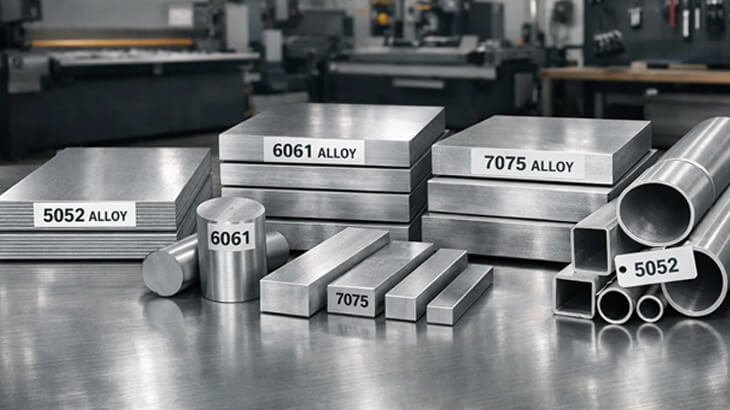
The 7000 Series (Zinc) This is the strongest class of aluminum. 7075 is the superstar here, utilizing zinc to achieve strength comparable to many steels. It is used in highly stressed parts like wing spars and bicycle gears. The trade-off? It is much more difficult to weld and fabricate than the friendly 6061.

The 5000 Series: The Marine Specialist

If your project involves saltwater, you need the 5000 series, specifically 5052. The primary alloying element here is Magnesium.

Unlike the 6000 series, 5052 cannot be heat-treated to gain strength; instead, it is hardened through cold working (strain hardening). It offers the highest strength of the non-heat-treatable grades and is virtually immune to saltwater corrosion, making it the go-to for fuel lines, tanks, and marine hardware.

Drawn vs. Extruded: How the Tube is Made

Choosing the right alloy is only half the battle; how the tube is formed matters, too.

  • Extruded Tubing: Think of this like a Play-Doh machine. Heated aluminum is pushed through a die to create the shape. It is cost-effective and great for general structural use.
  • Drawn Tubing: This process takes an extruded tube and pulls it through a smaller die. This “cold working” improves dimensional accuracy, creates a smoother surface, and actually increases the metal’s strength.

Why Choose “Aluminium Tubes”?

Navigating the alphabet soup of chemical compositions—from Magnesium-Silicon blends in 6061 to the Copper-heavy 2024—can be complex. Yet, choosing the correct aluminium alloy tube is the difference between a project that lasts a lifetime and one that fails under stress.

At Aluminium Tubes, we don’t just sell metal; we provide solutions for the American market. Whether you require the pristine finish of 6063 for an architectural project or the rugged durability of 6061 for a structural framework, we ensure you get the exact specifications required.

We stock a wide variety of grades and tempers to meet rigorous US standards. Do not leave your material selection to chance. Contact Aluminium Tubes today, and let us help you select the perfect alloy for your application.


Market Outlook 2026: The Rise of Cold Drawn Seamless Pipes and Precision Tubing

As we move further into the decade, the industrial landscape in the United States is undergoing a significant transformation. For professionals in manufacturing, automotive, and energy sectors, keeping a pulse on material trends is essential for maintaining a competitive edge. One of the most critical indicators of industrial health is the demand for precision piping and tubing.

According to the latest market intelligence, the global Cold Drawn Seamless Steel Pipes market is on a robust upward trajectory. For us at Aluminium Tubes, understanding these market dynamics is crucial not just for steel applications, but for understanding the broader demand for high-precision, cold-finished solutions across all metal types, including our specialty: the drawn aluminium tube.

In this article, we break down the key findings of the 2026 market report, explain the “cold drawn” advantage, and explore how these trends impact your material sourcing decisions.

The Market Snapshot: 2026 and Beyond

The data indicates a strong resurgence in industrial demand. The market size for cold drawn seamless steel pipes reached approximately $15.81 billion in 2025 and is projected to grow to $17.25 billion in 2026. Looking further ahead, forecasts suggest the market could reach $24.81 billion by 2030, driven by a Compound Annual Growth Rate (CAGR) of roughly 9.5%.

For our customers in the USA, it is particularly notable that North America is identified as the fastest-growing region in this sector. This growth is fueled by a combination of recovering infrastructure projects, expanded automotive production, and increased activity in the oil and gas sectors.

What Drives the Demand?

Why are industries flocking toward cold drawn seamless pipes? The report highlights several key drivers that mirror what we see at Aluminium Tubes every day:

  1. Automotive Expansion: The automotive industry demands materials that offer high tensile strength and excellent dimensional precision. As vehicle production ramps up—including the shift toward lighter, more efficient vehicles—the need for precision tubing for hydraulic and fluid transfer systems is skyrocketing.
  2. Energy Sector Growth: Rising exploration in the oil and gas sector requires durable piping capable of withstanding high pressure. Cold drawn pipes are essential for offshore and onshore tubing where reliability is non-negotiable.
  3. Infrastructure and Construction: From general engineering to structural applications, the push to modernize US infrastructure is creating a steady demand for high-strength tubular products.

The “Cold Drawn” Advantage

To understand the value of these materials, one must understand the process. Whether working with steel or aluminum, the “cold drawn” method is superior for applications requiring precision.

Cold drawing involves pulling a metal tube (the hollow billet) through a die and over a mandrel at room temperature. This process is distinct from hot finishing because it creates a product with:

  • Superior Surface Finish: The friction and tension between the die and the tube naturally smooth out irregularities, creating a polished surface that often requires no further machining.
  • Dimensional Accuracy: Because the metal is drawn through precise dies, the outside diameter and wall thickness are controlled down to minute tolerances.
  • Enhanced Mechanical Properties: The process of cold working the metal increases its yield strength and hardness, making it more durable than standard hot-rolled alternatives.

Steel vs. Aluminum: Choosing the Right Precision Tube

While the 2026 report focuses on steel, the principles of cold drawing apply directly to the solutions we provide at Aluminium Tubes.

Steel is the go-to for high-pressure environments, such as boiler tubes and hydraulic cylinders, where handling immense stress is the priority. However, as industries prioritize lightweighting—particularly in aerospace and electric vehicles—the drawn aluminium tube becomes the material of choice.

Here is why discerning engineers often specify a drawn aluminium tube over a seamless extruded alternative:

  • Precision Instruments: In medical devices and aerospace components, slight deviations in wall thickness are unacceptable. The multiple reduction passes used in creating a drawn aluminium tube ensure tight tolerances that extrusion methods simply cannot match.
  • Surface Integrity: Extruded tubes can suffer from surface defects like roughness or pitting depending on the die quality. In contrast, the cold drawing process acts as a continuous polishing operation, delivering a pristine finish essential for telescopic or cosmetic applications.
  • Strength-to-Weight Ratio: While steel offers raw power, a drawn aluminium tube provides the structural integrity required for aircraft and automotive frames at a fraction of the weight.

How “Aluminium Tubes” Supports Your Supply Chain

At Aluminium Tubes, we recognize that the surge in the North American market requires suppliers who can deliver consistency and quality. The market report warns of potential supply chain disruptions and fluctuating raw material costs. This makes choosing a reliable domestic partner more important than ever.

We specialize in navigating these market complexities. Whether you are looking for the extreme pressure resistance of cold drawn steel or the lightweight precision of a drawn aluminium tube, our focus is on delivering materials that meet rigorous ASTM standards. For example, while standard pipes might meet basic ASTM A53 specs, high-performance applications often require the tighter controls found in cold-drawn specifications like ASTM A519 for mechanical tubing.

Conclusion

The trajectory for 2026 is clear: industries are demanding higher quality, tighter tolerances, and better performance from their tubular components. The growth in the cold drawn market reflects a move toward precision engineering across the USA.

Whether your next project requires the heavy-duty resilience of steel or the refined precision of a drawn aluminium tube, quality manufacturing makes the difference between a successful build and a maintenance headache.

At Aluminium Tubes, we are dedicated to helping American businesses ride this wave of industrial growth with the highest quality tubular products available.

Ready to discuss your 2026 project requirements? Contact the team at Aluminium Tubes today for a consultation on your precision tubing needs.