
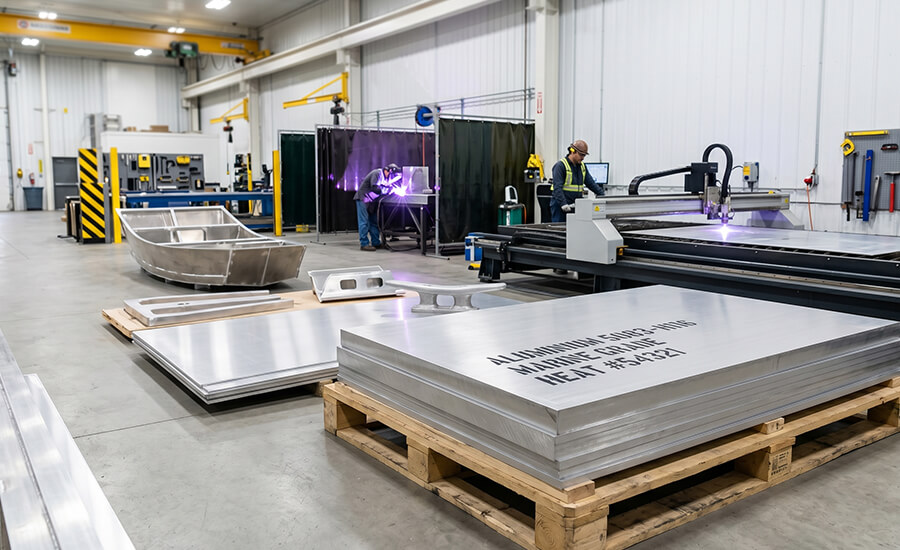
Aluminium 5083 Secrets: Why This Marine Grade Alloy Is Winning in Tough Industries

Aluminium 5083 is one of the most trusted aluminium alloys for hard working industries. It is strong. It is light. It handles corrosion very well. It also performs well in marine and industrial environments.

Many buyers choose Aluminium 5083 when normal aluminium is not enough. It is used in boats, ships, tanks, pressure vessels, transport parts, and heavy structures. It is also popular where seawater, chemicals, and outdoor weather can damage weaker metals.

At Aluminium Tubes, we understand that every project needs the right material. Choosing the wrong grade can increase cost. It can also reduce product life. That is why Aluminium 5083 is a smart choice for many serious applications.

What Is Aluminium 5083?

Aluminium 5083 is a 5000-series aluminium alloy. Its main alloying element is magnesium. It also contains manganese and chromium in small amounts. These elements improve strength and corrosion resistance.

This alloy is not heat treatable. That means it does not become stronger through heat treatment like some other aluminium grades. Instead, it gains strength through work hardening and proper processing.

Aluminium 5083 is often called a marine grade aluminium alloy. This is because it performs very well in seawater. It resists corrosion better than many common aluminium grades.

Key Properties of Aluminium 5083

Aluminium 5083 has many useful properties. It has high strength for a non-heat-treatable aluminium alloy. It also has excellent resistance to seawater and industrial chemicals.

It is light in weight compared to steel. This makes it useful for vehicles, ships, and structures where weight matters. Lower weight can improve speed, fuel efficiency, and handling.

Aluminium 5083 also has good ductility. This means it can bend and form without breaking when handled correctly. It also has good weldability, which makes it suitable for fabricated structures.

Another major benefit is toughness. Aluminium 5083 can perform well in low temperature conditions. This makes it useful in cryogenic and cold storage applications.

Chemical Composition in Simple Words

Aluminium 5083 is mainly aluminium. Magnesium is the key alloying element. Magnesium helps improve strength and corrosion resistance. Manganese supports strength and structure. Chromium improves stability and helps control grain structure.

This combination gives Aluminium 5083 its special performance. It becomes stronger than many basic aluminium grades. It also becomes more suitable for harsh places.

That is why industries trust this alloy for marine, transport, and chemical equipment.

Mechanical Strength of Aluminium 5083

Strength is one of the biggest reasons people choose Aluminium 5083. It gives a good balance of strength and weight. It is not as heavy as steel. Yet it can still carry serious loads.

This makes it useful in truck bodies, ship parts, pressure vessels, and heavy-duty platforms. It can support demanding service conditions when selected in the right size and temper.

Different tempers offer different strength levels. Common tempers include O, H111, H112, H116, and H321. The right temper depends on the use. Marine applications often use H116 or H321 because they are designed for better performance in wet and marine environments.

Corrosion Resistance of Aluminium 5083

Corrosion resistance is the star feature of Aluminium 5083. This alloy performs very well in seawater. It also resists many industrial chemical environments.

This is very important for boats, offshore structures, chemical tanks, and coastal equipment. Saltwater can damage many metals over time. Aluminium 5083 helps reduce this risk.

It forms a natural oxide layer on its surface. This layer helps protect the metal. When proper care and design are used, Aluminium 5083 can offer long service life.

Fabrication of Aluminium 5083

Aluminium 5083 is suitable for many fabrication processes. It can be cut, bent, formed, machined, and welded. This makes it useful for custom industrial parts.

Fabricators should use proper tools and correct methods. Good handling helps prevent cracks, distortion, and surface damage.

Cold forming is possible in softer tempers. Harder tempers may need more care during bending. Sharp bends should be avoided unless the material and bend radius are suitable.

Machining Aluminium 5083 is also possible. Good cutting tools, correct speed, and proper lubrication can improve finish and tool life.

Welding of Aluminium 5083

Aluminium 5083 has good weldability. This makes it popular for shipbuilding and heavy fabrication. Common welding methods include MIG and TIG welding.

Correct filler metal is important. Proper cleaning is also important before welding. Aluminium naturally forms an oxide layer. This layer must be cleaned before welding to get better results.

Heat control matters too. Too much heat can affect strength near the weld area. Skilled welding helps maintain quality and appearance.

For critical projects, welding should follow approved procedures. Inspection and testing may also be needed.

Applications of Aluminium 5083

Aluminium 5083 is used in many industries. Its main uses are linked to strength, low weight, and corrosion resistance.

It is widely used in marine applications. These include ship hulls, boat bodies, decks, gangways, marine panels, and offshore structures. It is also used in coastal equipment because it can handle salty air and seawater.

Transport industries also use Aluminium 5083. It is used in truck bodies, trailers, rail parts, vehicle panels, and fuel tanks. Its light weight helps reduce total vehicle weight.

Chemical industries use this alloy for tanks, storage vessels, and process equipment. It is useful where corrosion resistance is needed.

Other uses include pressure vessels, cryogenic tanks, structural platforms, armour plates, machine parts, and industrial flooring.

Aluminium 5083 vs Other Aluminium Grades

Aluminium 5083 is stronger than many common aluminium grades. It is also better for marine use than many basic alloys.

For example, 6061 aluminium is also popular. It has good machinability and can be heat treated. But Aluminium 5083 often performs better in seawater and harsh marine conditions.

Aluminium 5052 also has good corrosion resistance. But 5083 usually offers higher strength. This makes it better for heavier duty use.

The best grade depends on the project. If strength and marine corrosion resistance matter most, Aluminium 5083 is often a strong choice.

Why Choose Aluminium Tubes?

Aluminium Tubes supports customers who need reliable aluminium products for real industrial work. We help buyers understand material options in simple language.

We know that aluminium selection is not just about price. It is about safety, performance, life, and fabrication quality. Aluminium 5083 is a premium choice for many demanding needs.

Our goal is to help customers choose the right aluminium grade, size, and form. Whether you need aluminium tubes, plates, sheets, or custom supply support, Aluminium Tubes can guide you with practical product knowledge.

Buying Tips for Aluminium 5083

Before buying Aluminium 5083, check the required temper. Also check thickness, size, tolerance, finish, and certification.

Ask about the application before final selection. Marine use, tank use, structural use, and fabrication use may need different material conditions.

Always match the material with the design. Also check welding needs, bending needs, load conditions, and working environment.

Good material selection saves time. It also prevents costly failure later.

Conclusion

Aluminium 5083 is a powerful alloy for tough jobs. It gives high strength, low weight, excellent corrosion resistance, and good weldability. It is one of the best choices for marine, transport, chemical, and heavy fabrication work.

For buyers who need dependable aluminium in harsh environments, Aluminium 5083 is a smart option. It performs well where ordinary metals may fail.

With the right supplier and the right specification, this alloy can improve product life, reduce maintenance, and support better performance.

Choose Aluminium Tubes when you need trusted aluminium solutions for demanding industrial applications.
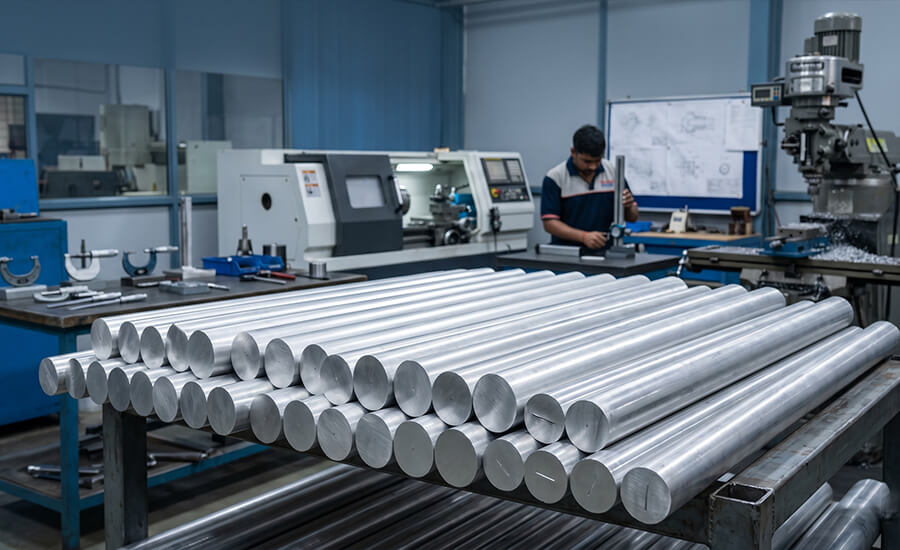
3003 Aluminium Round Bar: The Metal Secret That Makes Projects Stronger, Easier, and Smarter

3003 aluminium round bar is a popular metal product used in many industries. It is known for being light, strong enough for many jobs, and easy to work with. Many buyers choose it when they need a material that resists corrosion and performs well in daily use.

This blog explains what 3003 aluminium round bar is, where it is used, and why it is a smart choice. The language is simple. The structure is clear. The goal is to help readers understand the product quickly and easily.

What Is 3003 Aluminium Round Bar?

3003 aluminium round bar is made from 3003 alloy, which belongs to the aluminium-manganese family. It is a non-heat-treatable alloy that offers good corrosion resistance, good formability, and decent strength. It is often used in applications where the material must be easy to shape and dependable in use. Sources describe 3003 aluminium as a medium-strength alloy with very good resistance to atmospheric corrosion and good weldability.

The round bar shape makes it useful for machining, fabrication, and general industrial work. It can be cut, drilled, bent, and welded with relative ease. That is why many manufacturers prefer it for parts that need both performance and flexibility.

Key Features

3003 aluminium round bar has several features that make it valuable in the market. First, it is lightweight. This helps reduce the total weight of a finished product. Second, it has strong corrosion resistance, which makes it suitable for indoor and outdoor use.

It is also highly workable. This means fabricators can form it into different shapes without too much difficulty. In addition, it offers good weldability, so it can be joined into larger assemblies with less trouble. Compared with 1100 series aluminium, 3003 is stronger, while still staying easy to handle.

Why It Is Popular

Many industries choose 3003 aluminium round bar because it offers a strong balance between performance and cost. It is not the hardest aluminium alloy, but that is part of its advantage. The material is easy to process, and that saves time during manufacturing.

It also performs well in environments where moisture or weather exposure is common. This makes it useful for general metal work, chemical handling, food processing, and equipment parts. According to product listings and technical sources, 3003 round bars are used in applications that need corrosion resistance, weldability, and durability.

Common Uses

3003 aluminium round bar is used in many industries. It can be found in structural pieces, support parts, fittings, machine components, and custom fabricated items. Its round shape makes it suitable for shafts, connectors, rods, and turned components.

It is also useful in chemical equipment, storage systems, cooling systems, and transport-related parts. Some sources mention use in heat exchangers, pipes, tanks, and non-load-bearing aerospace parts because of its formability and corrosion resistance. In food and chemical processing, its clean and non-toxic nature adds value as well.

Benefits For Industry

The biggest benefit of 3003 aluminium round bar is balance. It gives users a mix of light weight, resistance to rust, and easy fabrication. That makes it a practical choice for both large and small projects. It is often selected when a team wants a reliable metal that does not create unnecessary processing problems.

Another benefit is versatility. The same material can be used in construction, transportation, machinery, and equipment manufacturing. That flexibility makes inventory planning easier for buyers. For companies like Alumium tubes, offering a product like this can support many customer needs in one material family.

Physical Properties

3003 aluminium is known for good thermal conductivity and reasonable mechanical performance. Technical sources list a density of about 2.73 g/cm³ and a melting point around 655 °C for the alloy family. Other references show it has improved mechanical properties over 1000-series alloys and is commonly used where moderate strength is enough.

This matters because users do not always need the strongest metal. Sometimes they need a metal that is easier to form, lighter to carry, and safer to fabricate. That is where 3003 aluminium round bar stands out.

How It Compares With Other Grades

Compared with 1100 aluminium, 3003 is stronger and still very workable. Compared with higher-strength alloys, it may not match their structural performance, but it is easier to bend and weld. That is why it is often chosen for utility parts rather than heavy-load parts.

This balance makes it a smart middle-ground product. Buyers who need extreme strength may look elsewhere. But buyers who want a dependable, corrosion-resistant round bar often find 3003 to be the right fit.

Choosing The Right Size

The right size depends on the project. Smaller diameters may work well for light fabrication, small machine parts, and custom fittings. Larger diameters are better for shafts, support pieces, and heavy-duty turned parts.

Before buying, check the required diameter, length, finish, and tolerance. It is also wise to ask whether the bar will be machined, welded, or formed. This helps avoid waste and reduces production issues later. Suppliers such as Alumium tubes can guide buyers toward the right specification for the job.

Buying Tips

When buying 3003 aluminium round bar, focus on quality and consistency. Ask for material grade details, size accuracy, and surface condition. If the project is sensitive, request documentation or test certificates.

You should also choose a supplier that understands industrial needs. A good supplier should offer clear product information, responsive service, and dependable stock. That helps avoid delays and makes production smoother.

Why Alumium Tubes

Alumium tubes can be a trusted name for buyers who need reliable aluminium products. When customers look for 3003 aluminium round bar, they want more than just metal. They want support, accurate sizes, and fast service. A good brand makes the buying process easier.

By offering quality materials and practical support, Alumium tubes can help customers complete projects with confidence. This is important in industries where material performance affects the final result.

Conclusion

3003 aluminium round bar is a useful material for many industrial and fabrication needs. It is light, corrosion resistant, easy to work with, and suitable for a wide range of applications. That makes it one of the most practical aluminium products for everyday use.

If your project needs a metal that is simple to process and dependable in service, 3003 aluminium round bar is a strong choice. With the right supplier, such as Alumium tubes, you can get the quality and support needed for smooth production.

Best Aluminium Bars for Electrical Applications and Conductivity

Aluminium, a lightweight and corrosion-resistant metal, has been a popular choice for various industries due to its excellent physical properties. One of its most valuable applications is in electrical systems, where conductivity plays a critical role. When it comes to electrical applications, selecting the right material can make a significant difference in performance. Aluminium Tubes has been a trusted name in the industry, offering high-quality aluminium bars tailored for electrical uses. In this article, we will delve into the best aluminium bars for electrical applications and their conductivity properties, with a special focus on what makes Aluminium Tubes the preferred choice.

The Importance of Conductivity in Electrical Applications

Conductivity refers to the ability of a material to allow the flow of electric current. Materials with high electrical conductivity, such as copper, are traditionally used for electrical wiring and components. However, aluminium is increasingly being chosen for many electrical applications due to its combination of good conductivity and other beneficial properties.

Aluminium offers about 61% of the conductivity of copper but is much lighter and more cost-effective. This makes it an attractive alternative in situations where weight and cost are important considerations, especially in large-scale power transmission systems and electrical components.

Why Choose Aluminium Bars for Electrical Applications?

1. High Electrical Conductivity

One of the primary reasons aluminium is preferred for electrical applications is its excellent electrical conductivity. Although not as conductive as copper, its light weight and lower cost often outweigh the slight trade-off in conductivity, especially when used in long-distance power transmission lines. Aluminium bars have been specifically designed to maximize this conductivity while ensuring durability and efficiency in electrical systems.

2. Cost-Effective

Aluminium is significantly more affordable than copper, making it the material of choice for projects on a budget. When considering the large-scale needs of electrical utilities or industrial applications, the reduced cost of aluminium bars can lead to substantial savings without compromising on performance.

3. Lightweight and Durable

Aluminium bars are lightweight compared to copper, which makes them easier to transport and handle, especially in applications such as electrical transmission and distribution lines. The reduced weight also puts less strain on supporting infrastructure, enhancing overall system longevity. Additionally, aluminium is naturally corrosion-resistant, ensuring long-term durability in even the harshest environmental conditions.

4. Corrosion Resistance

Aluminium forms a thin oxide layer when exposed to air, which provides a natural protective coating. This oxide layer prevents further corrosion, making aluminium bars highly reliable in outdoor or damp environments. This corrosion resistance is particularly important in power lines and electrical components exposed to weather conditions over time.

5. Ease of Manufacturing

Aluminium is highly versatile and easy to process. It can be extruded, cast, and molded into various shapes, making it ideal for manufacturing aluminium bars for electrical purposes. This ease of customization allows manufacturers like Aluminium Tubes to provide bars with the precise specifications needed for specific electrical applications.

Best Aluminium Bars for Electrical Conductivity

Aluminium Tubes takes pride in offering a selection of premium aluminium bars that are designed to meet the specific needs of electrical applications. Our products are made using high-quality, pure aluminium, ensuring optimal conductivity and performance in any electrical system. Here’s a look at some of the top aluminium bars ideal for electrical uses:

1. Pure Aluminium Bars

Pure aluminium bars are ideal for applications that demand excellent electrical conductivity. Aluminium Tubes offers high-grade pure aluminium bars that are perfect for electrical components, such as connectors, busbars, and wiring. These bars are crafted to provide maximum conductivity while maintaining strength and durability.

2. Aluminium Alloy Bars

While pure aluminium bars are excellent for conductivity, alloyed aluminium bars offer an additional advantage in terms of mechanical strength and versatility. Aluminium alloys like 1050, 1100, and 6063 are commonly used in electrical systems where both conductivity and strength are required. These alloys can be customized to meet the precise demands of your application while retaining impressive conductivity.

3. Extruded Aluminium Bars

Extrusion is a process used to form aluminium into specific shapes, such as bars or profiles. Extruded aluminium bars are widely used in electrical applications due to their precise shape and smooth surface. These bars offer excellent conductivity while being highly versatile for various electrical installations, from transformers to circuit boards.

4. Anodized Aluminium Bars

Anodizing aluminium involves an electrochemical process that thickens its natural oxide layer, providing enhanced corrosion resistance and surface hardness. Anodized aluminium bars are ideal for electrical applications in environments where resistance to weather and chemicals is crucial. These bars maintain high conductivity while providing additional protection against the elements.

5. Copper-Clad Aluminium Bars

For applications that require a mix of high conductivity and lower cost, copper-clad aluminium bars can be an excellent option. These bars combine the best properties of both copper and aluminium, with a thin layer of copper on the surface to improve conductivity. Copper-clad aluminium bars are often used in power cables, transformers, and other electrical components.

Applications of Aluminium Bars in Electrical Systems

Aluminium bars play a vital role in various electrical applications, providing both performance and cost-effectiveness. Some of the key uses include:

  • Power Transmission Lines: Aluminium is used extensively in high-voltage power lines due to its combination of low weight and good conductivity. This allows for efficient power transmission over long distances without the excessive cost or weight of copper.
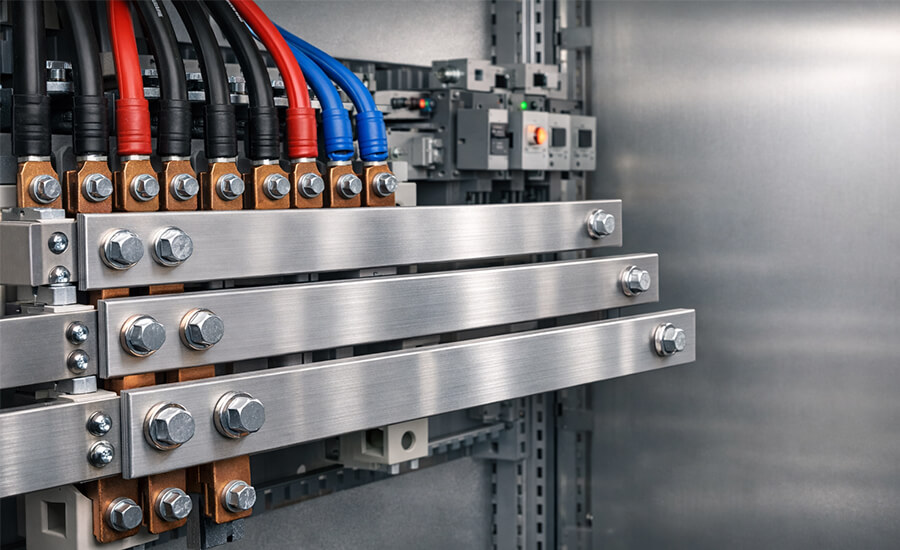
  • Busbars: Busbars are used in electrical distribution systems to conduct electricity. Aluminium bars are ideal for this application due to their excellent conductivity and lightweight nature, making them easier to handle and install.
  • Electrical Connectors: Aluminium bars are used to manufacture connectors that join electrical circuits and components, ensuring reliable connections while minimizing power losses.
  • Transformers and Circuit Boards: Aluminium bars are commonly used in electrical transformers, as they provide a cost-effective and efficient solution for power distribution.

Why Aluminium Tubes is the Best Choice for Aluminium Bars

Aluminium Tubes stands out as a trusted provider of aluminium bars for electrical applications. Our commitment to quality, innovation, and customer satisfaction ensures that we supply the best products for your electrical needs. Here’s why Aluminium Tubes is the right choice for your business:

  • High-Quality Material: We use only the finest materials to manufacture our aluminium bars, ensuring high conductivity and strength for all electrical applications.
  • Customizable Solutions: We understand that every project is different, which is why we offer a wide range of aluminium bar sizes, shapes, and alloys. We can work with you to provide tailored solutions to meet your specific requirements.
  • Durability and Performance: Our aluminium bars are built to last, providing you with a reliable solution for both short-term and long-term electrical needs.
  • Competitive Pricing: With Aluminium Tubes, you get top-quality products at affordable prices, making us the ideal choice for large-scale electrical projects.

Conclusion

When it comes to electrical applications, the selection of materials is crucial for ensuring optimal performance and longevity. Aluminum bars offer an excellent balance of conductivity, strength, and affordability, making them an ideal choice for a variety of electrical applications. Aluminium Tubes provides the best aluminium bars tailored for your needs, ensuring that you get the highest quality products with exceptional performance and value. Whether you’re working on power transmission, electrical connectors, or circuit boards, trust Aluminum Tubes for all your aluminium bar requirements.