Why 6061 T6 Aluminium Plate & Coil Is the Smart Metal Choice Everyone Is Talking About

6061 T6 Aluminium Plate & Coil is one of the most trusted aluminium products in the market. It is strong. It is light. It is easy to use. This makes it a great choice for many industries.

Many buyers want a metal that can handle pressure and still stay light. 6061 T6 aluminium does this very well. It gives good strength without adding too much weight. That is why it is used in transport, marine, construction, machinery, and engineering work.

At Aluminium Tubes, we understand the need for quality aluminium products. Our aim is to provide materials that help businesses build better, safer, and stronger products.

What Is 6061 T6 Aluminium?

6061 aluminium is a popular aluminium alloy. It mainly contains aluminium, magnesium, and silicon. These elements help improve strength, corrosion resistance, and workability.

The term T6 shows the heat treatment condition. In simple words, the metal is treated with heat to make it stronger and more stable. This process improves its mechanical properties. It also makes the material better for heavy-duty use.

6061 T6 Aluminium Plate & Coil is known for its balance. It gives strength, formability, weldability, and corrosion resistance. This balance makes it useful in many fields.

What Is 6061 T6 Aluminium Plate?

A 6061 T6 aluminium plate is a flat and thick aluminium product. It is used where strength and durability are important. Plates are often used in machine parts, structural parts, base plates, vehicle parts, and industrial equipment.

The plate form gives solid support. It can handle load and stress. It can also be cut, drilled, welded, and machined as per project needs.

This is why many engineers and fabricators prefer 6061 T6 aluminium plate. It saves weight and still performs well.

What Is 6061 T6 Aluminium Coil?

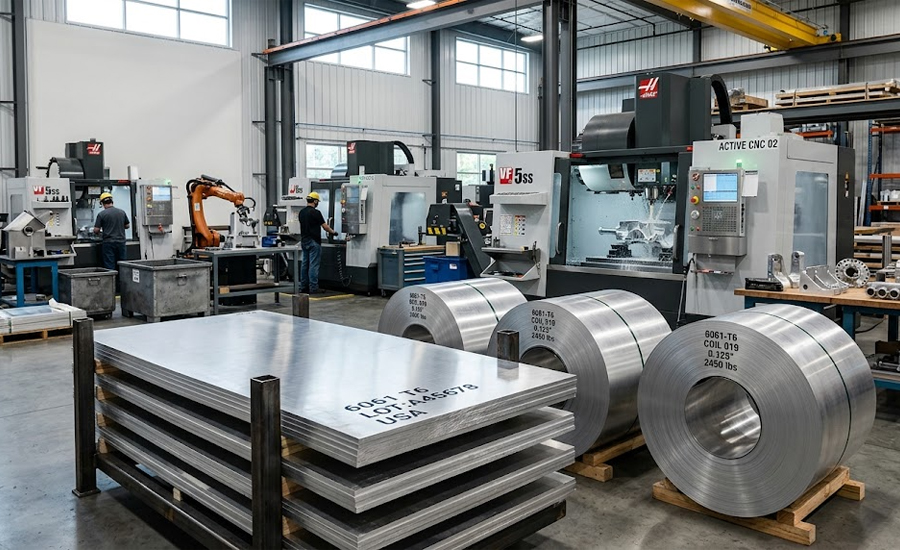
A 6061 T6 aluminium coil is aluminium rolled into coil form. It is useful when continuous lengths are needed. Coils are easy to store, transport, and process.

They are used for sheets, panels, parts, and other fabricated products. Aluminium coils are also helpful in large-scale production. They reduce waste and improve speed.

6061 T6 aluminium coil is strong and reliable. It is suitable for industries that need both performance and easy handling.

Key Features of 6061 T6 Aluminium Plate & Coil

6061 T6 Aluminium Plate & Coil has many useful features. The first major feature is strength. It has good mechanical strength for many industrial jobs.

The second feature is low weight. Aluminium is much lighter than steel. This helps reduce the total weight of the final product.

The third feature is corrosion resistance. 6061 T6 aluminium performs well in many outdoor and industrial conditions. It resists rust better than many other metals.

The fourth feature is weldability. It can be welded using common welding methods. This makes it useful for fabrication work.

The fifth feature is machinability. It can be cut, drilled, shaped, and finished with ease. This saves time during production.

Why Industries Prefer 6061 T6 Aluminium

Industries need materials that are strong and easy to work with. 6061 T6 Aluminium Plate & Coil gives both. It supports many types of production work.

It is also cost-effective in the long run. Since it is light, it can reduce transport weight. Since it resists corrosion, it can lower maintenance needs.

This makes it a smart option for many businesses. It helps improve product life. It also helps improve performance.

At Aluminium Tubes, we focus on supplying aluminium products that meet real industry needs. We know buyers want quality, proper size, and dependable service.

Common Uses of 6061 T6 Aluminium Plate & Coil

6061 T6 aluminium plate is widely used in structural parts. It is used in frames, platforms, machine bases, and support parts. It is also used in automotive and transport parts.

It is common in marine applications too. Boats, docks, and marine fittings often need corrosion resistant aluminium. 6061 T6 works well for many such uses.

6061 T6 aluminium coil is used in panels, covers, enclosures, and sheet metal work. It is also used in fabrication, roofing parts, vehicle bodies, and industrial parts.

Both plate and coil forms are useful. The right choice depends on your project design and production method.

Benefits of Buying from Aluminium Tubes

Choosing the right supplier is as important as choosing the right metal. Poor quality aluminium can affect your final product. It can increase waste. It can also cause delays.

Aluminium Tubes offers quality-focused aluminium solutions for different business needs. We understand that every project is different. Some buyers need plates. Some need coils. Some need custom sizes.

Our brand stands for trust, support, and product knowledge. We help customers choose the right aluminium material for their application.

When you choose Aluminium Tubes, you get more than a product. You get guidance, reliability, and a focus on long-term value.

Also Read : aluminium-6082-plate-coil-properties-fabrication-and-applications

6061 T6 Aluminium Plate vs Coil

Both plate and coil are made from aluminium. But they are used in different ways.

A plate is thicker and stronger. It is best for load-bearing parts and machine work. It is also good for structural uses.

A coil is thinner and rolled. It is better for continuous processing. It is useful for sheet production, panels, and high-volume fabrication.

So, if your project needs heavy support, choose plate. If your project needs rolling, cutting, or forming in large quantity, choose coil.

How to Choose the Right 6061 T6 Aluminium Product

Before buying 6061 T6 Aluminium Plate & Coil, check your project needs. Think about thickness, width, length, surface finish, and strength needs.

Also check the working environment. Will the product face moisture? Will it be used outdoors? Will it need welding or machining?

These questions help you choose the right form and size. They also help avoid extra cost and waste.

You can also speak with a trusted supplier like Aluminium Tubes. A good supplier can guide you based on your use, budget, and delivery need.

Why 6061 T6 Aluminium Is a Future-Ready Material

Modern industries want lighter and stronger materials. They also want metals that last longer and need less care. 6061 T6 aluminium fits this demand very well.

It supports better design. It helps reduce weight. It also gives a clean and professional finish.

As industries grow, the demand for 6061 T6 Aluminium Plate & Coil will continue to rise. It is already a trusted material in many sectors. Its value will only increase with time.

Final Words

6061 T6 Aluminium Plate & Coil is a powerful choice for many industries. It gives strength, light weight, corrosion resistance, and easy fabrication. It is suitable for plates, coils, panels, frames, machine parts, and many more uses.

For buyers who want quality and dependable service, Aluminium Tubes is a trusted name. We help you choose the right aluminium product for your needs.

If you want a metal that is strong, smart, and ready for modern industry, 6061 T6 Aluminium Plate & Coil is a great choice.
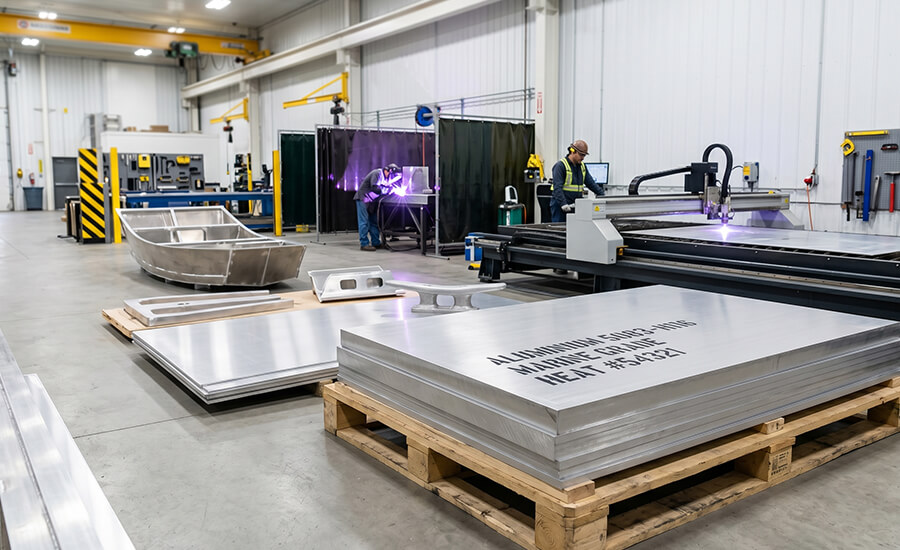
Aluminium 5083 Secrets: Why This Marine Grade Alloy Is Winning in Tough Industries

Aluminium 5083 is one of the most trusted aluminium alloys for hard working industries. It is strong. It is light. It handles corrosion very well. It also performs well in marine and industrial environments.

Many buyers choose Aluminium 5083 when normal aluminium is not enough. It is used in boats, ships, tanks, pressure vessels, transport parts, and heavy structures. It is also popular where seawater, chemicals, and outdoor weather can damage weaker metals.

At Aluminium Tubes, we understand that every project needs the right material. Choosing the wrong grade can increase cost. It can also reduce product life. That is why Aluminium 5083 is a smart choice for many serious applications.

What Is Aluminium 5083?

Aluminium 5083 is a 5000-series aluminium alloy. Its main alloying element is magnesium. It also contains manganese and chromium in small amounts. These elements improve strength and corrosion resistance.

This alloy is not heat treatable. That means it does not become stronger through heat treatment like some other aluminium grades. Instead, it gains strength through work hardening and proper processing.

Aluminium 5083 is often called a marine grade aluminium alloy. This is because it performs very well in seawater. It resists corrosion better than many common aluminium grades.

Key Properties of Aluminium 5083

Aluminium 5083 has many useful properties. It has high strength for a non-heat-treatable aluminium alloy. It also has excellent resistance to seawater and industrial chemicals.

It is light in weight compared to steel. This makes it useful for vehicles, ships, and structures where weight matters. Lower weight can improve speed, fuel efficiency, and handling.

Aluminium 5083 also has good ductility. This means it can bend and form without breaking when handled correctly. It also has good weldability, which makes it suitable for fabricated structures.

Another major benefit is toughness. Aluminium 5083 can perform well in low temperature conditions. This makes it useful in cryogenic and cold storage applications.

Chemical Composition in Simple Words

Aluminium 5083 is mainly aluminium. Magnesium is the key alloying element. Magnesium helps improve strength and corrosion resistance. Manganese supports strength and structure. Chromium improves stability and helps control grain structure.

This combination gives Aluminium 5083 its special performance. It becomes stronger than many basic aluminium grades. It also becomes more suitable for harsh places.

That is why industries trust this alloy for marine, transport, and chemical equipment.

Mechanical Strength of Aluminium 5083

Strength is one of the biggest reasons people choose Aluminium 5083. It gives a good balance of strength and weight. It is not as heavy as steel. Yet it can still carry serious loads.

This makes it useful in truck bodies, ship parts, pressure vessels, and heavy-duty platforms. It can support demanding service conditions when selected in the right size and temper.

Different tempers offer different strength levels. Common tempers include O, H111, H112, H116, and H321. The right temper depends on the use. Marine applications often use H116 or H321 because they are designed for better performance in wet and marine environments.

Corrosion Resistance of Aluminium 5083

Corrosion resistance is the star feature of Aluminium 5083. This alloy performs very well in seawater. It also resists many industrial chemical environments.

This is very important for boats, offshore structures, chemical tanks, and coastal equipment. Saltwater can damage many metals over time. Aluminium 5083 helps reduce this risk.

It forms a natural oxide layer on its surface. This layer helps protect the metal. When proper care and design are used, Aluminium 5083 can offer long service life.

Fabrication of Aluminium 5083

Aluminium 5083 is suitable for many fabrication processes. It can be cut, bent, formed, machined, and welded. This makes it useful for custom industrial parts.

Fabricators should use proper tools and correct methods. Good handling helps prevent cracks, distortion, and surface damage.

Cold forming is possible in softer tempers. Harder tempers may need more care during bending. Sharp bends should be avoided unless the material and bend radius are suitable.

Machining Aluminium 5083 is also possible. Good cutting tools, correct speed, and proper lubrication can improve finish and tool life.

Welding of Aluminium 5083

Aluminium 5083 has good weldability. This makes it popular for shipbuilding and heavy fabrication. Common welding methods include MIG and TIG welding.

Correct filler metal is important. Proper cleaning is also important before welding. Aluminium naturally forms an oxide layer. This layer must be cleaned before welding to get better results.

Heat control matters too. Too much heat can affect strength near the weld area. Skilled welding helps maintain quality and appearance.

For critical projects, welding should follow approved procedures. Inspection and testing may also be needed.

Applications of Aluminium 5083

Aluminium 5083 is used in many industries. Its main uses are linked to strength, low weight, and corrosion resistance.

It is widely used in marine applications. These include ship hulls, boat bodies, decks, gangways, marine panels, and offshore structures. It is also used in coastal equipment because it can handle salty air and seawater.

Transport industries also use Aluminium 5083. It is used in truck bodies, trailers, rail parts, vehicle panels, and fuel tanks. Its light weight helps reduce total vehicle weight.

Chemical industries use this alloy for tanks, storage vessels, and process equipment. It is useful where corrosion resistance is needed.

Other uses include pressure vessels, cryogenic tanks, structural platforms, armour plates, machine parts, and industrial flooring.

Aluminium 5083 vs Other Aluminium Grades

Aluminium 5083 is stronger than many common aluminium grades. It is also better for marine use than many basic alloys.

For example, 6061 aluminium is also popular. It has good machinability and can be heat treated. But Aluminium 5083 often performs better in seawater and harsh marine conditions.

Aluminium 5052 also has good corrosion resistance. But 5083 usually offers higher strength. This makes it better for heavier duty use.

The best grade depends on the project. If strength and marine corrosion resistance matter most, Aluminium 5083 is often a strong choice.

Why Choose Aluminium Tubes?

Aluminium Tubes supports customers who need reliable aluminium products for real industrial work. We help buyers understand material options in simple language.

We know that aluminium selection is not just about price. It is about safety, performance, life, and fabrication quality. Aluminium 5083 is a premium choice for many demanding needs.

Our goal is to help customers choose the right aluminium grade, size, and form. Whether you need aluminium tubes, plates, sheets, or custom supply support, Aluminium Tubes can guide you with practical product knowledge.

Buying Tips for Aluminium 5083

Before buying Aluminium 5083, check the required temper. Also check thickness, size, tolerance, finish, and certification.

Ask about the application before final selection. Marine use, tank use, structural use, and fabrication use may need different material conditions.

Always match the material with the design. Also check welding needs, bending needs, load conditions, and working environment.

Good material selection saves time. It also prevents costly failure later.

Conclusion

Aluminium 5083 is a powerful alloy for tough jobs. It gives high strength, low weight, excellent corrosion resistance, and good weldability. It is one of the best choices for marine, transport, chemical, and heavy fabrication work.

For buyers who need dependable aluminium in harsh environments, Aluminium 5083 is a smart option. It performs well where ordinary metals may fail.

With the right supplier and the right specification, this alloy can improve product life, reduce maintenance, and support better performance.

Choose Aluminium Tubes when you need trusted aluminium solutions for demanding industrial applications.

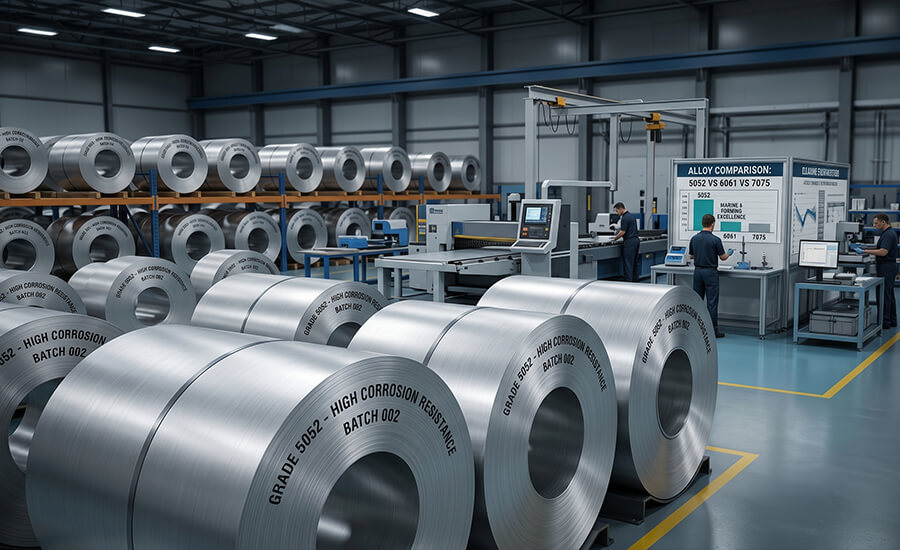
Why Aluminum Coil 5052 Beats Other Grades: The Strong Alloy Buyers Trust Most

Why Aluminum Coil 5052 Is the Strongest Choice Among Common Aluminum Coil Grades

Aluminum is used in many industries. It is light, strong, clean, and easy to shape. But not all aluminum grades are the same. Some grades are soft. Some are better for bending. Some are made for strength. Some are made to fight rust and corrosion.

Among common aluminum coil grades, Aluminum coil 5052 stands out. It is strong, durable, and highly resistant to corrosion. This makes it a popular choice for marine, transport, construction, roofing, signage, tanks, and industrial parts.

At Aluminium Tubes, many buyers ask one simple question. Why is Aluminum coil 5052 considered stronger than many other aluminum coil grades? The answer is simple. It has a better mix of strength, corrosion resistance, formability, and long service life.

Still, let us be accurate. Aluminum 5052 is not stronger than every aluminum alloy ever made. Heat-treated alloys like 6061-T6 or 7075 can be stronger. But among common non-heat-treatable aluminum coil grades, 5052 is widely known as one of the strongest and most useful options. Type 5052 is often described as the strongest of the non-heat-treatable aluminum alloys, especially for sheet and plate use.

What Is Aluminum Coil 5052?

Aluminum coil 5052 is an aluminum-magnesium alloy. Magnesium is the main alloying element. It also contains a small amount of chromium. This mix improves strength, corrosion resistance, and durability.

Unlike some aluminum grades, 5052 cannot be strengthened by heat treatment. Instead, it becomes stronger through cold working. That means the metal is rolled or worked at lower temperatures to improve its strength. Humanity found a way to make metal stronger by stressing it. Very relatable.

This makes Aluminum coil 5052 a great choice for industries that need strength without losing flexibility. It can be bent, formed, rolled, and shaped without cracking easily.

Also Read: Cracking the Code: Understanding Aluminum Tempers (T4, T6, H112) for Your Next Project

Why 5052 Is Stronger Than Many Common Aluminum Coil Grades

The biggest reason is its magnesium content. Magnesium increases the strength of aluminum. It also helps the alloy perform better in tough conditions.

Compared with grades like 1100 and 3003, Aluminum coil 5052 gives better strength. Grade 1100 is almost pure aluminum. It is soft and easy to form. Grade 3003 is stronger than 1100, but it still does not match 5052 in strength and corrosion resistance. Industry comparisons commonly note that 5052 is significantly stronger than 3003 and performs better in saltwater environments.

This is why 5052 is preferred when normal aluminum is not enough. It gives better load-bearing capacity. It handles pressure better. It also works well in outdoor and wet environments.

Excellent Corrosion Resistance

Strength alone is not enough. A metal also needs to survive real conditions. Otherwise, it becomes an expensive decoration for rust, which is apparently still a thriving industry.

Aluminum coil 5052 is highly resistant to corrosion. It performs especially well in marine and industrial environments. Aluminium alloy 5052-H32 is known for very good corrosion resistance to seawater and marine atmosphere. It also has very good weldability and good cold formability.

This is one major reason why 5052 is often called a marine-grade aluminum alloy. It is used in boat parts, fuel tanks, panels, trailer bodies, and outdoor structures.

For buyers, this means longer life and lower maintenance. For industries, this means fewer failures and better performance.

Also Read: How to Choose the Right Aluminium Tube Supplier for Your Industry

Better Fatigue Strength

Fatigue strength means the ability of a material to handle repeated stress. This is important in moving parts, transport vehicles, marine parts, and industrial equipment.

Aluminum coil 5052 offers high fatigue strength compared with many other common aluminum grades. It can handle vibration, bending, and repeated loading better than softer grades. Rolled Metal Products describes 5052 as having medium static strength, high fatigue strength, good weldability, and very good corrosion resistance.

This makes 5052 useful in applications where the material faces regular movement or pressure.

Strong Yet Easy to Form

Some metals are strong but hard to shape. Others are easy to form but weak. Aluminum coil 5052 gives a useful balance.

It has good formability. This means it can be bent, rolled, stamped, and shaped into many products. It does not crack easily during normal forming work.

This is very important for manufacturers. A strong coil is useful only when it can be processed easily. Otherwise, it just sits there being strong and unhelpful, like a gym bro during group assignments.

Because of this balance, 5052 is used in sheet metal work, panels, cabinets, signs, tanks, enclosures, and machine parts.

Very Good Weldability

Welding is important in fabrication. Aluminum coil 5052 performs well here too. It has very good weldability, which makes it useful for tanks, frames, bodies, marine parts, and industrial assemblies.

Many strong materials become difficult to weld. But 5052 keeps fabrication simple. This saves time, effort, and cost during production.

For companies buying from Aluminium Tubes, this is a major advantage. A material that is strong, corrosion-resistant, and weldable gives better value in real projects.

5052 vs 3003 Aluminum Coil

Aluminum 3003 is a popular grade. It is affordable and easy to form. It is used in roofing, cooking utensils, insulation, and general sheet work.

But when strength is needed, 5052 is usually the better choice. It has higher strength and better corrosion resistance. It is also better for outdoor and marine use. Kloeckner Metals notes that 5052 is significantly stronger than 3003 and performs better in saltwater environments.

So, 3003 is good for simple forming work. But 5052 is better for demanding work.

5052 vs 1100 Aluminum Coil

Aluminum 1100 is very soft. It has excellent formability and good corrosion resistance. But it is not a high-strength alloy.

5052 is much stronger than 1100. It is better for parts that need durability and load resistance. If the job needs only basic shaping, 1100 may work. But if the job needs strength and service life, 5052 is the smarter option.

This is why many industries prefer Aluminum coil 5052 for stronger and longer-lasting products.

Common Uses of Aluminum Coil 5052

Aluminum coil 5052 is used in many sectors. It is common in marine applications, truck bodies, fuel tanks, pressure vessels, roofing, wall cladding, electrical enclosures, road signs, kitchen equipment, and industrial panels.

It is also used in heat exchangers, aircraft fuel lines, hydraulic tubes, and architectural work. Hydro notes that 5052 is suited for shipbuilding, marine applications, consumer electronics casings, aircraft fuel and oil lines, hydraulic tubes, and heat exchangers.

This wide use shows its strength and versatility.

Why Buyers Prefer Aluminum Coil 5052

Buyers choose Aluminum coil 5052 because it offers a strong package. It is light but durable. It resists corrosion. It handles forming. It welds well. It lasts longer in harsh conditions.

For businesses, this means fewer replacements. It means better product quality. It means less maintenance. And yes, it also means fewer angry calls from customers, the true foundation of civilization.

At Aluminium Tubes, Aluminum coil 5052 is a smart option for buyers who want dependable material for demanding applications.

Final Thoughts

Aluminum coil 5052 is one of the strongest and most reliable choices among common aluminum coil grades. It gives better strength than soft grades like 1100 and 3003. It also offers excellent corrosion resistance, high fatigue strength, good weldability, and strong formability.

It is not the strongest aluminum alloy in every category. Heat-treated grades can be stronger. But for non-heat-treatable coil applications, 5052 is one of the best and most practical choices.

For marine, industrial, transport, construction, and fabrication needs, Aluminum coil 5052 from Aluminium Tubes is a strong and trusted solution. It gives the right balance of strength, durability, and long-term value.

6061 T6 Aluminium Round Bar Explained: Strength, Price, and Why Your Next Project Needs It

What Is 6061 T6 Aluminium Round Bar?

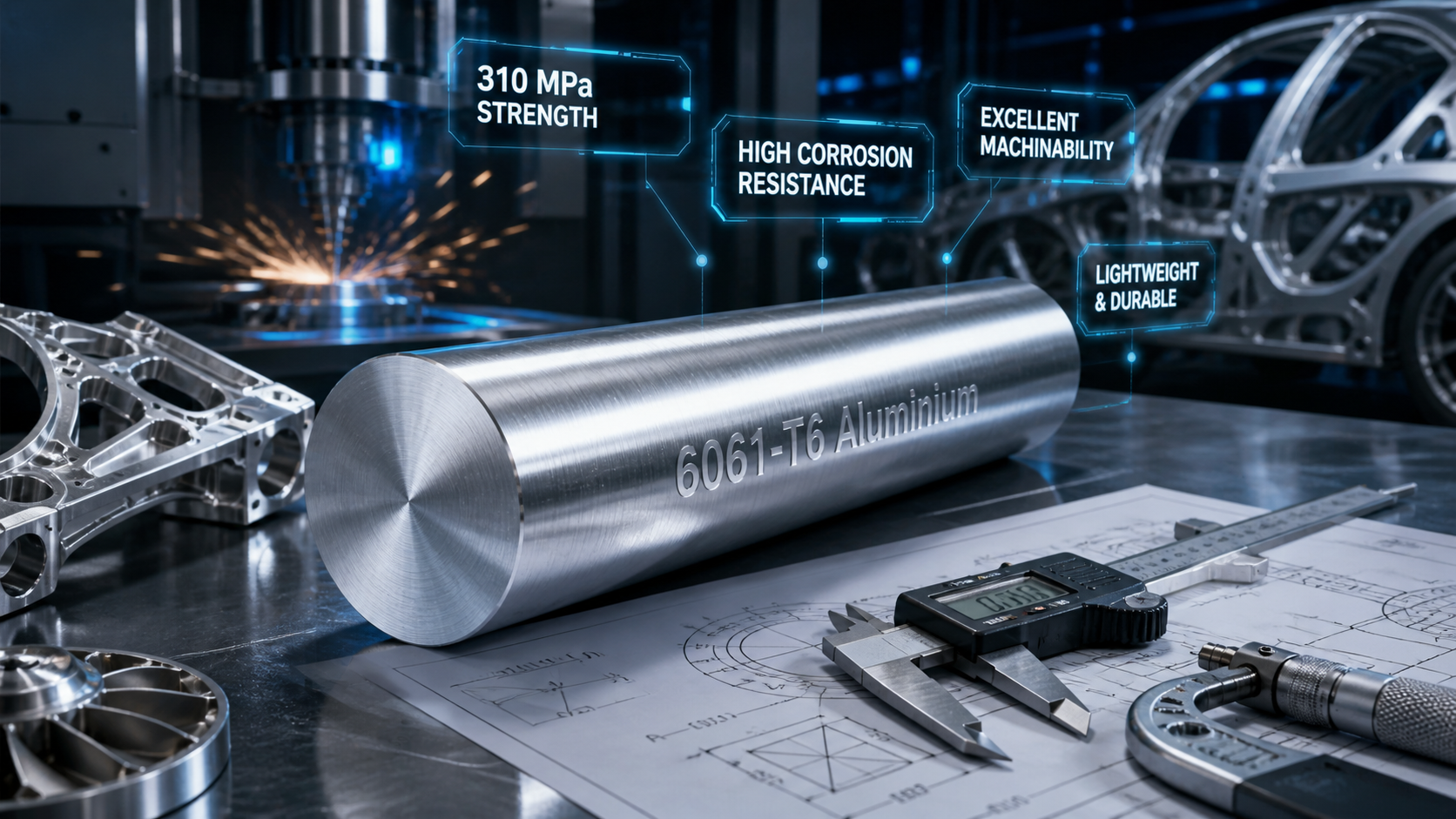
6061 T6 aluminium round bar is a high‑strength, heat‑treated aluminium rod used in machines, structures, and industrial parts.
It is made from the 6061 aluminium alloy, which contains magnesium and silicon as main alloying elements.
The “T6” at the end means it has been solution‑heat‑treated and then artificially aged to increase its strength and hardness.

This round bar is supplied in long cylindrical lengths with a smooth, uniform diameter.
It is a popular choice for customers who want a light, strong, and corrosion‑resistant metal that still machines and welds easily.
At Aluminium Tubes, we keep 6061 T6 round bars in common industrial sizes and ready‑to‑use lengths.


Why Choose 6061 T6 Over Other Aluminium Grades?

Not all aluminium is the same. 6061 T6 is stronger than basic pure‑aluminium grades such as 1100 or 6063.
It also hardens through heat treatment, so it can carry more load than many other wrought aluminium alloys.

Compared with aerospace‑only alloys like 2024, 6061 T6 is more affordable and easier to weld.
You still get high strength‑to‑weight ratio, good fatigue resistance, and strong corrosion protection.

If your project needs a mix of strength, lightness, weldability, and low upkeep, 6061 T6 round bar is often the best compromise.
That is why engineers in USA and overseas use it for frames, shafts, brackets, and custom‑machined parts.

Also Read: Aluminium Tubes in Construction: 7 Powerful Uses You Need to Know

Key Properties of 6061 T6 Aluminium Round Bar

Mechanical Strength and Hardness

6061 T6 has a typical tensile strength of about 290 MPa and a yield strength in the range of 240–275 MPa.
This means it can handle strong pulling and bending forces without permanent deformation if the loads are within design limits.

The hardness after T6 treatment is around 95 Brinell (HB), which is solid for a structural aluminium.
This hardness makes the round bar suitable for parts that must resist wear, impact, or repeated stress cycles.

Lightweight and Easy to Handle

Like most aluminium alloys, 6061 has a density of about 2.70 g/cm³.
This is less than one‑third the weight of steel with comparable strength in many applications.

The low weight means easier handling, lower transport cost, and lighter machines or structures.
That is why 6061 T6 round bar is common in automotive, aerospace, and portable equipment frames.

Corrosion Resistance and Oxide Layer

6061 T6 has very good atmospheric and moisture‑based corrosion resistance.
When exposed to air, it forms a thin, self‑protecting oxide film that slows further oxidation.

This makes it suitable for outdoor structures, marine environments, and industrial settings with humidity or chemicals.
At Aluminium Tubes, we recommend 6061 T6 round bars for coastal projects and outdoor fencing, where rust resistance is a must.

Thermal and Electrical Properties

6061 T6 has a thermal conductivity of roughly 167–180 W/m·K, which is moderate but still useful for heat transfer.
It is often used in heat‑sink parts, brackets, engine supports, and cooling‑related components.

The electrical conductivity is about 40–43% IACS, which is lower than pure aluminium but still acceptable for many non‑critical electrical parts.
Because of its good strength and moderate conductivity, designers sometimes use it for light‑duty electrical fixtures or bus‑bar supports.


Dimensions, Sizes, and Tolerances

Standard Diameter Range

6061 T6 aluminium round bars are typically manufactured from small rods to large solid shafts.
Common diameters start from about 6 mm (¼ inch) and go up to 250–315 mm or more, depending on the supplier.

For industrial buyers, the usual range is from 10 mm to 300 mm in diameter.
This covers everything from small pins and axles to large structural columns and machine shafts.

Length Options

Standard 6061 T6 round bars are often supplied in fixed lengths between 12 feet and 12 meters (about 3.6 to 12 m).
Many suppliers and Aluminium Tubes also offer cut‑to‑length service so you can order bars exactly as per your drawing.

Custom lengths can be matched to CNC machining cycles or welding setups, reducing waste and improving shop‑floor efficiency.

Tolerance and Finish

Tighter dimensional tolerances are possible with turned or ground 6061 T6 round bars.
For example, for diameters from 6 mm to 18 mm, the permissible tolerance may be around +0 to −0.070 mm, and it gets slightly wider as the bar gets thicker.

Common surface finishes include:

  • Mill finish (as‑extruded, light‑textured surface).
  • Bright or polished finish for aesthetic or high‑precision parts.

These tight tolerances and clean finishes make 6061 T6 round bar ideal for CNC machining, turning, and grinding operations.

Also Read: Aluminum Round Tube Applications: Industrial Uses, Benefits, and Modern Engineering Solutions

Where Is 6061 T6 Aluminium Round Bar Used?

Because of its mix of strength, light weight, and corrosion resistance, 6061 T6 round bar appears in many industries.

Aerospace and Aviation

In aerospace Industry, 6061 T6 is used for frames, brackets, and structural fittings.
Its high strength‑to‑weight ratio helps reduce aircraft mass without sacrificing safety.

Even on the ground, 6061 T6 round bars support jigs, tooling, and inspection fixtures in aircraft‑assembly shops.

Automotive and Transport

In Automotive Industry engineers use 6061 T6 round bars for suspension parts, steering‑link components, motor mounts, and chassis brackets.
Lighter aluminium reduces fuel consumption and improves vehicle handling.

In rail and bus manufacturing, 6061 T6 rods help build frames, handrails, and interior fittings that must stay strong and rust‑free for years.

Marine and Offshore

Because of its good resistance to salt‑water‑like environments, 6061 T6 is trusted for marine structures and hardware. It popular in Marine and Shipbuilding Industry.
You can find 6061 T6 round bars in boat fittings, deck fittings, davit arms, and other underwater‑related components.

At Aluminium Tubes, we supply 6061 T6 round bars for coastal and river‑based projects in India where corrosion life is critical.

Industrial Machinery and Fabrication

Machinery shops use 6061 T6 round bars to make shafts, spindles, guides, and custom‑machined parts.
Its machinability and consistent hardness allow for excellent surface finish and tight tolerances on CNC lathes and mills.

Welded fabrication projects also use 6061 T6 round bars for frames, enclosures, and work supports.

Defence, Security, and Construction

In defence and security, 6061 T6 round bars go into lightweight weapon mounts, periscopes, and portable structures.
In construction, they support safety rails, equipment platforms, and temporary structures such as gantries and scaffolds.

Architects and interior designers sometimes use bevelled 6061 T6 round bars for stylish railings, balustrades, and decorative light fixtures.


How 6061 T6 Heat Treatment Works

The “T6” in 6061 T6 is a temper designation that tells you how the metal was treated after extrusion or rolling.

First, the 6061 alloy is heated to a high temperature (solution heat treatment) so that the alloying elements dissolve into the aluminium matrix.
Then it is quenched quickly with water or air to freeze this mix in place.

Later, the bar is reheated to a lower temperature (artificial aging) for several hours.
This aging step causes tiny magnesium‑ and silicon‑rich particles to form inside the metal, which strengthen the grain boundaries and raise hardness and yield strength.

Variants such as T651 and T6511 are special stress‑relieved T6 tempers used for precision shafts and bars that must hold strict straightness.


Advantages of Using 6061 T6 Round Bar

Using 6061 T6 aluminium round bar offers several clear benefits for manufacturers and fabricators.

  1. High strength without heavy weight – it is one of the strongest heat‑treatable aluminium alloys you can buy at a reasonable price.
  2. Excellent corrosion resistance – the natural oxide layer keeps it looking good and performing well in humid and outdoor locations.
  3. Easy to machine and weld – it cuts smoothly, drills well, and responds nicely to MIG and TIG welding when proper procedures are followed.
  4. Good fatigue strength – repeatedly loaded parts such as brackets and shafts tend to last longer in service.
  5. Cost‑effective for structural work – for many projects, it strikes a better balance of performance and price than high‑end aerospace alloys.

For Indian buyers, Aluminium Tubes offers bulk‑packed 6061 T6 round bars with ISO‑style quality control and consistent mechanical properties.


Comparison of 6061 T6 with Other Common Alloys

Here is a simple view of how 6061 T6 stacks up against other widely used aluminium alloys.

Property / Alloy 6061 T6 (round bar) 6063 T6 (architectural) 2024 T3 (aircraft‑grade)
Typical tensile strength ~290 MPa  ~200–230 MPa  ~450–480 MPa 
Yield strength ~240–275 MPa  Lower than 6061 T6  Much higher than 6061 
Corrosion resistance Very good  Excellent  Moderate, needs coating 
Weldability Good  Good  Limited 
Typical round‑bar use Machine shafts, frames, structural parts  Architectural profiles, rails  High‑stress aircraft parts 

From this table, 6061 T6 is the best “all‑rounder” when you want both strength and ease of fabrication.


How to Machine and Fabricate 6061 T6 Round Bar

Machining Tips

6061 T6 is known for its excellent machinability across milling, turning, drilling, and grinding.
Use sharp carbide or high‑speed‑steel tools and keep cutting speeds and feeds moderate to avoid built‑up edge and chatter.

Because aluminium is soft, take care to avoid smearing or burring at edges.
Deburring with a file or chamfer tool or using a light grinding pass will give a professional finish on 6061 T6 round bars.

Welding Guidelines

6061 T6 can be welded by MIG or TIG methods using suitable aluminium filler such as 4043 or 5356.
Before welding, clean the surface with a stainless‑steel wire brush or degreaser to remove oil and oxide.

Welded joints in 6061 T6 will lose some strength in the heat‑affected zone, so design the joint to avoid high‑stress points and consider post‑weld heat treatment if the project allows.

At Aluminium Tubes, we can guide you on suitable 6061 T6 round‑bar sizes and tempers for your machining and welding setup.


Surface Finishes and Customization Options

6061 T6 round bars can be supplied in several finishes to match your project needs.

  • Mill finish: The natural as‑extruded surface, slightly rough but solid for general fabrication.
  • Bright or polished finish: Mechanically polished for a smooth, shiny look that suits decorative and visible parts.
  • Anodized finish (via finishing shop): A clear or colored anodized layer can further improve corrosion resistance and appearance.

Customers often order 6061 T6 round bars with:

  • Custom cutting lengths.
  • Pre‑turned or ground diameters for high‑precision shafts.
  • Laser‑marked or tagged bars for easy identification in large projects.

If you share your drawings with Aluminium Tubes, we can supply 6061 T6 round bars with exact diameter, length, and finish so you can start machining right away.


Price and Factors That Affect 6061 T6 Round Bar Cost

The price of 6061 T6 aluminium round bar depends on several factors.

  • Aluminium metal index: The base price of aluminium on the global market.
  • Diameter and length: Larger and longer bars carry more metal and cost more per piece, though the rate per kg may stay similar.

Finish and precision: Polished, turned, or tight.

Final Words, 6061 T6 aluminium round bars offer a compelling blend of strength, lightness, and versatility that suits a wide range of industries—from aerospace and automotive to marine and general fabrication. By understanding its tempering, machinability, and corrosion resistance, you can design parts that perform reliably while keeping costs in check. If you’re building with Aluminium Tubes, you can count on consistent quality, precise tolerances, and tailored service to bring your project from concept to reality. Ready to elevate your next build with 6061 T6?

Best Aluminium Bars for Electrical Applications and Conductivity

Aluminium, a lightweight and corrosion-resistant metal, has been a popular choice for various industries due to its excellent physical properties. One of its most valuable applications is in electrical systems, where conductivity plays a critical role. When it comes to electrical applications, selecting the right material can make a significant difference in performance. Aluminium Tubes has been a trusted name in the industry, offering high-quality aluminium bars tailored for electrical uses. In this article, we will delve into the best aluminium bars for electrical applications and their conductivity properties, with a special focus on what makes Aluminium Tubes the preferred choice.

The Importance of Conductivity in Electrical Applications

Conductivity refers to the ability of a material to allow the flow of electric current. Materials with high electrical conductivity, such as copper, are traditionally used for electrical wiring and components. However, aluminium is increasingly being chosen for many electrical applications due to its combination of good conductivity and other beneficial properties.

Aluminium offers about 61% of the conductivity of copper but is much lighter and more cost-effective. This makes it an attractive alternative in situations where weight and cost are important considerations, especially in large-scale power transmission systems and electrical components.

Why Choose Aluminium Bars for Electrical Applications?

1. High Electrical Conductivity

One of the primary reasons aluminium is preferred for electrical applications is its excellent electrical conductivity. Although not as conductive as copper, its light weight and lower cost often outweigh the slight trade-off in conductivity, especially when used in long-distance power transmission lines. Aluminium bars have been specifically designed to maximize this conductivity while ensuring durability and efficiency in electrical systems.

2. Cost-Effective

Aluminium is significantly more affordable than copper, making it the material of choice for projects on a budget. When considering the large-scale needs of electrical utilities or industrial applications, the reduced cost of aluminium bars can lead to substantial savings without compromising on performance.

3. Lightweight and Durable

Aluminium bars are lightweight compared to copper, which makes them easier to transport and handle, especially in applications such as electrical transmission and distribution lines. The reduced weight also puts less strain on supporting infrastructure, enhancing overall system longevity. Additionally, aluminium is naturally corrosion-resistant, ensuring long-term durability in even the harshest environmental conditions.

4. Corrosion Resistance

Aluminium forms a thin oxide layer when exposed to air, which provides a natural protective coating. This oxide layer prevents further corrosion, making aluminium bars highly reliable in outdoor or damp environments. This corrosion resistance is particularly important in power lines and electrical components exposed to weather conditions over time.

5. Ease of Manufacturing

Aluminium is highly versatile and easy to process. It can be extruded, cast, and molded into various shapes, making it ideal for manufacturing aluminium bars for electrical purposes. This ease of customization allows manufacturers like Aluminium Tubes to provide bars with the precise specifications needed for specific electrical applications.

Best Aluminium Bars for Electrical Conductivity

Aluminium Tubes takes pride in offering a selection of premium aluminium bars that are designed to meet the specific needs of electrical applications. Our products are made using high-quality, pure aluminium, ensuring optimal conductivity and performance in any electrical system. Here’s a look at some of the top aluminium bars ideal for electrical uses:

1. Pure Aluminium Bars

Pure aluminium bars are ideal for applications that demand excellent electrical conductivity. Aluminium Tubes offers high-grade pure aluminium bars that are perfect for electrical components, such as connectors, busbars, and wiring. These bars are crafted to provide maximum conductivity while maintaining strength and durability.

2. Aluminium Alloy Bars

While pure aluminium bars are excellent for conductivity, alloyed aluminium bars offer an additional advantage in terms of mechanical strength and versatility. Aluminium alloys like 1050, 1100, and 6063 are commonly used in electrical systems where both conductivity and strength are required. These alloys can be customized to meet the precise demands of your application while retaining impressive conductivity.

3. Extruded Aluminium Bars

Extrusion is a process used to form aluminium into specific shapes, such as bars or profiles. Extruded aluminium bars are widely used in electrical applications due to their precise shape and smooth surface. These bars offer excellent conductivity while being highly versatile for various electrical installations, from transformers to circuit boards.

4. Anodized Aluminium Bars

Anodizing aluminium involves an electrochemical process that thickens its natural oxide layer, providing enhanced corrosion resistance and surface hardness. Anodized aluminium bars are ideal for electrical applications in environments where resistance to weather and chemicals is crucial. These bars maintain high conductivity while providing additional protection against the elements.

5. Copper-Clad Aluminium Bars

For applications that require a mix of high conductivity and lower cost, copper-clad aluminium bars can be an excellent option. These bars combine the best properties of both copper and aluminium, with a thin layer of copper on the surface to improve conductivity. Copper-clad aluminium bars are often used in power cables, transformers, and other electrical components.

Applications of Aluminium Bars in Electrical Systems

Aluminium bars play a vital role in various electrical applications, providing both performance and cost-effectiveness. Some of the key uses include:

  • Power Transmission Lines: Aluminium is used extensively in high-voltage power lines due to its combination of low weight and good conductivity. This allows for efficient power transmission over long distances without the excessive cost or weight of copper.
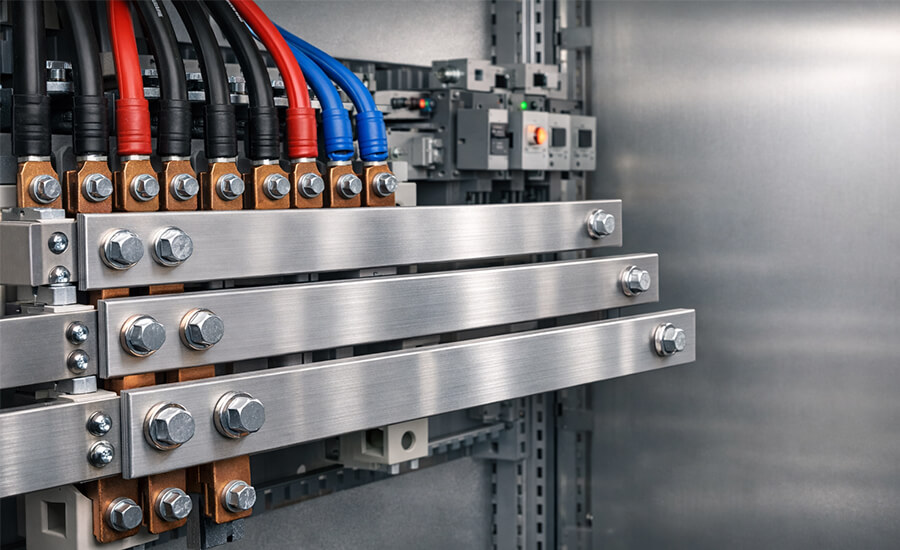
  • Busbars: Busbars are used in electrical distribution systems to conduct electricity. Aluminium bars are ideal for this application due to their excellent conductivity and lightweight nature, making them easier to handle and install.
  • Electrical Connectors: Aluminium bars are used to manufacture connectors that join electrical circuits and components, ensuring reliable connections while minimizing power losses.
  • Transformers and Circuit Boards: Aluminium bars are commonly used in electrical transformers, as they provide a cost-effective and efficient solution for power distribution.

Why Aluminium Tubes is the Best Choice for Aluminium Bars

Aluminium Tubes stands out as a trusted provider of aluminium bars for electrical applications. Our commitment to quality, innovation, and customer satisfaction ensures that we supply the best products for your electrical needs. Here’s why Aluminium Tubes is the right choice for your business:

  • High-Quality Material: We use only the finest materials to manufacture our aluminium bars, ensuring high conductivity and strength for all electrical applications.
  • Customizable Solutions: We understand that every project is different, which is why we offer a wide range of aluminium bar sizes, shapes, and alloys. We can work with you to provide tailored solutions to meet your specific requirements.
  • Durability and Performance: Our aluminium bars are built to last, providing you with a reliable solution for both short-term and long-term electrical needs.
  • Competitive Pricing: With Aluminium Tubes, you get top-quality products at affordable prices, making us the ideal choice for large-scale electrical projects.

Conclusion

When it comes to electrical applications, the selection of materials is crucial for ensuring optimal performance and longevity. Aluminum bars offer an excellent balance of conductivity, strength, and affordability, making them an ideal choice for a variety of electrical applications. Aluminium Tubes provides the best aluminium bars tailored for your needs, ensuring that you get the highest quality products with exceptional performance and value. Whether you’re working on power transmission, electrical connectors, or circuit boards, trust Aluminum Tubes for all your aluminium bar requirements.

Choosing the Right Material for Your Next Project: Is 4130 Alloy Steel Less Expensive Than 6061 Aluminum?

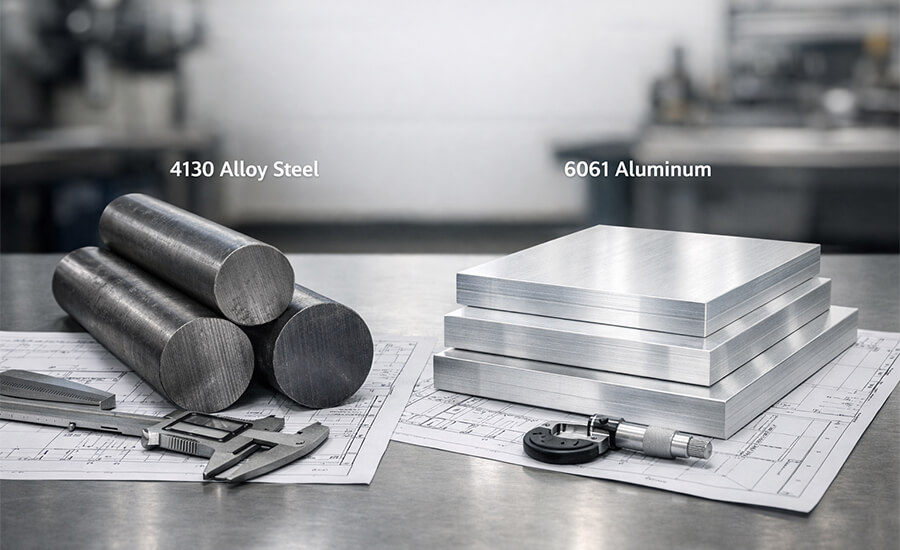
Whether you are building a custom automotive chassis, fabricating lightweight aerospace components, or designing heavy-duty structural frames here in the USA, selecting the right material is a critical decision. Two of the most popular heavy-hitting materials in the fabrication world are 4130 alloy steel (commonly known as chromoly) and 6061 aluminum.

A question our experts at Aluminium Tubes hear frequently from manufacturers and hobbyists alike is: Is 4130 alloy steel less expensive than 6061 aluminum?

The short answer is yes, 4130 alloy steel is typically less expensive than 6061 aluminum when looking strictly at the raw cost per pound. However, for American businesses and DIY fabricators aiming to optimize their budgets, looking only at the base price can be incredibly misleading. Let’s dive deep into the real costs associated with these materials, comparing their physical properties, fabrication expenses, and long-term value to see which metal truly offers the best return on your investment.

The Raw Material Cost Comparison
4130 Alloy Steel vs 6061 Aluminum: Cost Comparison Guide

When comparing the raw material prices directly, 4130 alloy steel takes the lead as the more budget-friendly option by weight. Market data indicates that 4130 steel can cost around $0.95 per kilogram, whereas 6061-T6 aluminum averages around $2.42 per kilogram. Furthermore, comparative material indexes show that the base metal relative price of 6061 aluminum is roughly 9.5, compared to just 2.4 for 4130 steel.

Based on these numbers alone, purchasing a ton of 4130 steel will demand a significantly lower initial capital outlay than purchasing a ton of 6061 aluminum. If your project has a strict, immediate budget for raw materials and weight is not a restrictive factor, 4130 chromoly is highly attractive.

The Weight and Volume Factor

Here is where the pricing dynamics begin to shift. Metals are usually priced by weight, but they are utilized by volume. This makes the density of the material a crucial factor in your overall project cost.

6061 aluminum boasts a density of just 2.7 g/cm³ (or 2,700 kg/m³), while 4130 steel is a much denser, heavier material at 7.8 g/cm³ (or 7,800 kg/m³). In practical terms, this means that steel is nearly three times heavier than aluminum.

When you order a specific length of tubing—such as our premium Aluminium Round Tubes—you are getting substantially more material volume per pound than you would with steel. While you might pay more for a pound of 6061 aluminum, that single pound will yield significantly more linear footage of tubing than a pound of 4130 steel. When you calculate the cost per foot rather than the cost per pound, the price gap between the two materials narrows dramatically.

Fabrication and Machining Costs

The true cost of a material isn’t just what you pay the supplier; it also includes the labor, time, and tooling required to transform it into a finished product. This is an area where 6061 aluminum shines brilliantly.

Aluminum is exceptionally easy to work, machine, file, drill, and sand. Its machinability rating is often evaluated at around 360%, which is drastically higher than standard structural steels that sit closer to 78%. This incredible machinability means that your cutting tools will last much longer, your machining speeds can be significantly faster, and your overall labor costs will drop.

On the other hand, 4130 alloy steel is known for being extremely hard and tough, which makes it much harder to machine. Welding 4130 steel also comes with its own set of challenges. To retain ample strength at welded seams, the tubing may require specific post-weld heat treatments (such as normalizing or quenching and tempering) to prevent the heat-affected zones from becoming a weak link in your structure.

Conversely, 6061 aluminum is heavily favored in modern manufacturing because it is relatively strong and can be easily welded. Whether you are setting up a large-scale manufacturing run or doing custom fabrication, the time and tooling saved by using aluminum can easily offset its higher initial raw material cost.

Long-Term Maintenance and Durability

Finally, when calculating the lifecycle cost of your project, you must consider environmental wear and tear. 4130 alloy steel is susceptible to atmospheric moisture and will rust if left unprotected. To prevent this, steel requires routine maintenance, protective coatings, or painting, which adds to the lifetime cost of the product.

Aluminum provides a massive advantage here. It does not rust. When 6061 aluminum is exposed to an oxygen-rich environment, it naturally builds a protective layer of oxidation that defends the metal from the elements without the need for expensive surface treatments. This makes aluminum highly reliable and virtually maintenance-free