Aluminum has become one of the most widely used materials in modern engineering and manufacturing. Among the many forms in which aluminum is used, aluminum round tubes stand out because of their versatility, durability, and lightweight structure. These tubes are used in a wide range of industries including construction, automotive manufacturing, furniture design, and renewable energy systems. As industries continue to focus on efficiency, durability, and sustainability, aluminum tubing has become an essential solution for structural and mechanical applications.
Because of their excellent strength-to-weight ratio, corrosion resistance, and ease of fabrication, aluminum round tubes are now widely used in both industrial and commercial environments. From building structures to transportation equipment, these tubes support modern engineering needs while reducing overall material weight and maintenance costs.
What Are Aluminum Round Tubes?
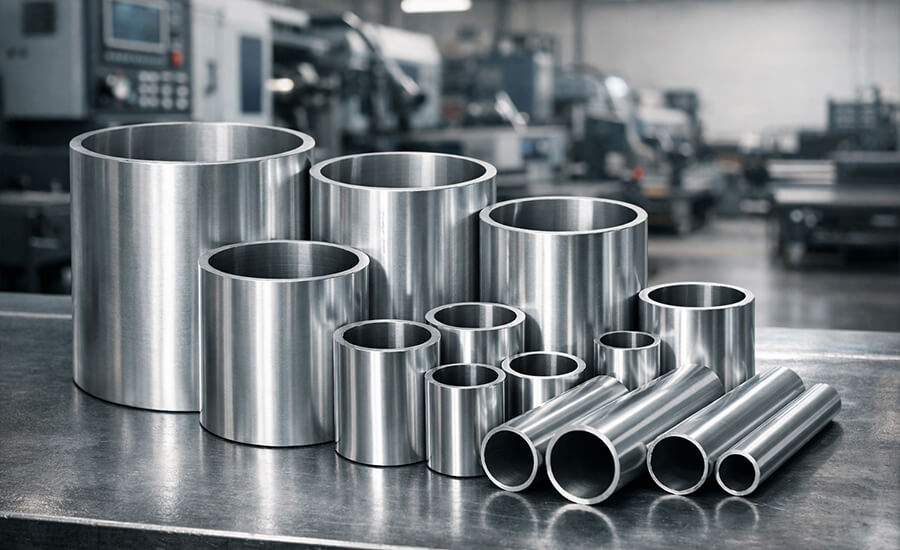
Aluminum round tubes are hollow cylindrical sections made from aluminum alloys and are typically produced through extrusion or drawing processes. These manufacturing methods allow producers to create tubes with precise diameters, wall thicknesses, and surface finishes depending on the requirements of specific applications.
Since they are hollow, aluminum round tubes provide significant structural strength while using less material than solid bars. This reduces overall weight while maintaining durability. Aluminum tubing also offers natural corrosion resistance, excellent machinability, and an attractive appearance, which makes it suitable for both structural and decorative uses.
Construction and Architectural Applications
One of the most important aluminum round tube applications can be found in the construction and architectural sector. Modern buildings require materials that combine strength with lightweight characteristics, and aluminum tubing meets these requirements effectively.
Aluminum round tubes are widely used in railings, fencing systems, structural frames, and support columns. Architects frequently incorporate them into outdoor structures such as pergolas, canopy frames, and decorative building elements. Because aluminum can be anodized, powder-coated, or finished with different textures, it allows designers to achieve both durability and aesthetic appeal.
Another advantage of aluminum tubing in construction is its lightweight nature, which simplifies transportation and installation. This helps reduce labor costs and construction time, making aluminum tubing a practical choice for both residential and commercial building projects.
Automotive and Transportation Industry Uses
The automotive and transportation industries represent another major area where industrial aluminum tubing uses continue to expand. Vehicle manufacturers constantly look for ways to reduce weight in order to improve fuel efficiency and lower emissions. Aluminum round tubes offer a strong yet lightweight alternative to traditional materials such as steel.
These tubes are often used in vehicle frames, structural supports, exhaust systems, and drive shafts. In modern vehicles, aluminum tubing helps reduce the overall weight of the structure without compromising strength or safety. The rise of electric vehicles has further increased the demand for aluminum components because lighter materials help improve battery efficiency and extend driving range.
Aluminum also has excellent heat dissipation properties, which makes it suitable for parts that manage heat in engines, battery systems, and other mechanical components.
Industrial Machinery and Manufacturing Equipment
Another significant area of industrial aluminum tubing uses is in manufacturing equipment and industrial machinery. Many factories rely on aluminum round tubes to build machine frames, conveyor systems, mechanical supports, and automated production equipment.
One of the main reasons aluminum is widely used in industrial fabrication is its ease of processing. The material can be cut, drilled, welded, and bent with relative ease, allowing manufacturers to create custom components and specialized structures. Aluminum also resists corrosion and environmental damage, which ensures long-term reliability in demanding production environments.
Industries such as electronics manufacturing, pharmaceutical production, and food processing often prefer aluminum structures because they offer clean surfaces, durability, and consistent performance.
Furniture Manufacturing and Interior Design
Aluminum round tubes also play an important role in furniture manufacturing and interior design. Modern furniture designs often emphasize minimalism, durability, and portability, and aluminum tubing supports these requirements effectively.
Designers frequently use aluminum round tubes to create chair frames, table bases, shelving systems, and office furniture structures. The smooth surface and sleek appearance of aluminum make it well suited for contemporary interior styles.
Unlike wood or steel, aluminum does not rust, warp, or degrade easily, which makes it ideal for furniture used in homes, offices, and commercial spaces. The lightweight nature of aluminum also allows furniture to be easily moved or rearranged without sacrificing strength.
Marine and Coastal Applications
Marine environments present significant challenges for many construction materials due to constant exposure to moisture, saltwater, and changing weather conditions. Aluminum round tubes are particularly suitable for these environments because aluminum naturally forms a protective oxide layer that prevents corrosion.
For this reason, aluminum tubing is widely used in boat frames, dock structures, marine railings, and other coastal equipment. In addition to corrosion resistance, aluminum’s lightweight properties help improve vessel performance and fuel efficiency.
These advantages have made aluminum tubing an important material in both commercial marine construction and recreational boating industries.
Renewable Energy and Solar Infrastructure
The growth of renewable energy technologies has created new opportunities for aluminum round tube applications. Solar and wind energy systems require durable materials that can withstand outdoor weather conditions for long periods.
Aluminum round tubes are commonly used in solar panel mounting structures, solar tracking systems, wind turbine support components, and outdoor lighting poles. Their corrosion resistance allows them to perform well in outdoor environments, while their lightweight structure simplifies installation and transportation.
As global demand for clean energy continues to increase, aluminum tubing will remain an essential component in renewable energy infrastructure.
Medical and Recreational Equipment
Aluminum round tubes are also widely used in the production of medical and recreational equipment. Because aluminum is lightweight, strong, and easy to fabricate, it is ideal for products that need to be portable and durable.
Medical equipment such as wheelchairs, hospital beds, and stretchers often incorporate aluminum tubing in their structural frames. In recreational equipment, aluminum round tubes are commonly used in bicycle frames, camping furniture, tent poles, and outdoor sports gear.
These applications benefit from aluminum’s combination of strength, portability, and resistance to environmental damage.
Advantages of Aluminum Round Tubes
The increasing popularity of aluminum tubing across industries can be attributed to several important material advantages. Aluminum is significantly lighter than many traditional metals, which reduces transportation costs and simplifies installation. Despite its low weight, it offers excellent structural strength and reliability.
Aluminum also naturally resists corrosion, which allows it to perform well in outdoor, marine, and industrial environments without extensive protective coatings. Another important advantage is its fabrication flexibility. Aluminum can be easily welded, machined, drilled, and formed into complex shapes, making it suitable for custom industrial applications.
Additionally, aluminum can be finished using processes such as anodizing, polishing, or powder coating, which enhances both appearance and durability. From a sustainability perspective, aluminum is also highly recyclable and can be reused repeatedly without losing its material properties.
Future Trends in Aluminum Tubing
The demand for aluminum tubing is expected to increase in several emerging industries, including electric vehicles, green building construction, aerospace engineering, and renewable energy systems. Advances in aluminum alloy technology and manufacturing techniques are enabling the production of stronger, lighter, and more specialized tubing products.
These innovations will continue expanding the potential uses of aluminum round tubes and support industries that require efficient, lightweight, and sustainable materials.