-
Address: 2, Reading Road,
Edison New Jersey, USA -
Address: 2, Reading Road,
Edison New Jersey, USA
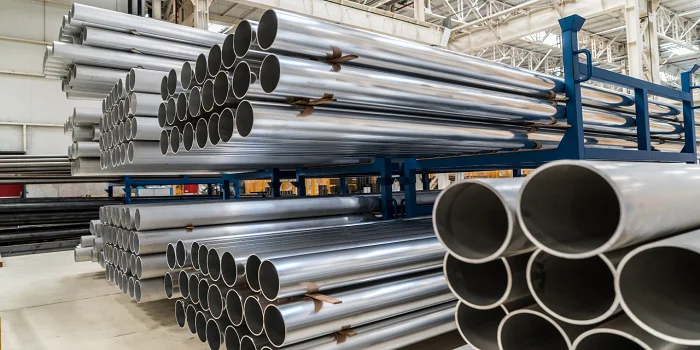
In today’s competitive manufacturing landscape, choosing the right materials is crucial for producing high-quality, durable, and cost-effective products. Aluminum tubes have emerged as a top choice across various industries due to their unique combination of strength, lightweight design, and corrosion resistance. Whether it’s automotive, construction, aerospace, or industrial applications, aluminum tubes offer benefits that traditional materials like steel often cannot match. In this article, we explore the top five advantages of using aluminum tubes in manufacturing and why companies across the USA are increasingly adopting them.
One of the most significant advantages of aluminum tubes is their lightweight nature. Aluminum is about one-third the weight of steel, which makes handling, transportation, and installation far easier and more cost-effective. Despite being lightweight, aluminum tubes maintain impressive strength and structural integrity, making them suitable for applications that require both durability and flexibility.
For manufacturers, this means reduced shipping costs and less strain on machinery during assembly. In industries like automotive and aerospace, where every pound matters, switching to aluminum tubes can lead to substantial fuel savings and improved performance. Additionally, the lightweight nature of aluminum reduces wear and tear on equipment, extending the lifespan of production machinery.
Corrosion is a major concern in manufacturing, especially for products exposed to moisture, chemicals, or extreme weather conditions. Aluminum tubes naturally form a thin oxide layer on their surface, which acts as a protective barrier against rust and corrosion. Unlike steel, which requires additional coatings or treatments, aluminum tubes remain durable and resistant to environmental damage over time.
This inherent corrosion resistance makes aluminum tubes ideal for construction, HVAC systems, marine applications, and outdoor structural frameworks. Manufacturers benefit from longer product lifespans, reduced maintenance requirements, and lower overall costs due to fewer replacements and repairs.
Aluminum is easier to work with than many other metals. It can be cut, bent, welded, and machined with minimal effort, which streamlines the manufacturing process and reduces labor costs. Custom shapes and sizes can be achieved without compromising strength or quality.
Moreover, aluminum tubes are often available in standardized dimensions, which simplifies procurement and inventory management. For manufacturers, this means faster production cycles, lower fabrication costs, and the ability to meet client demands efficiently. Industries that rely on precision tubing, such as robotics, machinery, and automotive components, find aluminum tubes particularly advantageous due to this combination of versatility and ease of fabrication.
Sustainability is a growing priority in modern manufacturing. Aluminum tubes are 100% recyclable without losing their strength or quality. Using recycled aluminum requires significantly less energy than producing new aluminum from raw materials, reducing the carbon footprint of manufacturing operations.
For companies looking to adopt greener practices, aluminum tubes offer an environmentally responsible choice. Industries such as construction, transportation, and industrial equipment increasingly prefer aluminum not only for its functional benefits but also for its positive environmental impact. By integrating aluminum tubes into production, manufacturers contribute to sustainable development and appeal to eco-conscious clients.
Aluminum tubes are remarkably versatile and can be used in a wide range of applications. In the automotive industry, they are used for exhaust systems, chassis components, and structural reinforcements. In construction, aluminum tubes provide lightweight yet durable frameworks for buildings, scaffolding, and handrails. The aerospace sector leverages aluminum tubing for aircraft components where strength-to-weight ratio is critical.
Even in specialized industrial applications, such as hydraulic systems, HVAC, and chemical processing, aluminum tubes deliver reliable performance under various pressures and temperatures. This versatility makes aluminum tubes a practical choice for manufacturers looking to standardize their materials across multiple product lines.
Aluminum tubes have firmly established themselves as a material of choice for manufacturers across the USA due to their lightweight strength, corrosion resistance, cost-effective fabrication, environmental sustainability, and versatility. Switching to aluminum tubing not only improves product performance but also reduces manufacturing costs, enhances operational efficiency, and supports eco-friendly practices.
For manufacturers looking to gain a competitive edge, incorporating high-quality aluminum tubes into your production process can lead to better products, satisfied clients, and long-term growth.
Ready to enhance your manufacturing process with premium aluminum tubes? Contact us today for a quote and explore our wide range of industrial aluminum tubing solutions.
+91 95166 18000
support@aluminiumtubes.org