-
Address: 2, Reading Road,
Edison New Jersey, USA -
Address: 2, Reading Road,
Edison New Jersey, USA
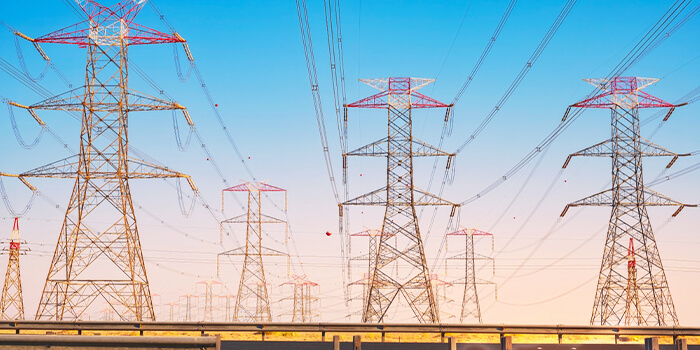
The energy and power sector is undergoing a significant transformation, driven by increasing demand for electricity, renewable energy integration, and sustainable infrastructure. Aluminium tubes have become a vital component in this sector due to their lightweight nature, corrosion resistance, and excellent conductivity. They are widely used in electrical systems, renewable energy projects, power transmission, and distribution infrastructure.
In energy applications, weight reduction is critical. Lightweight aluminium tubes reduce the load on supporting structures, such as solar panel mounts, wind turbine frameworks, and electrical conduits. This simplifies installation, reduces material costs, and improves operational efficiency. Despite their light weight, these tubes maintain structural integrity and can withstand high loads, environmental stress, and operational fatigue, making them ideal for energy infrastructure projects.
Corrosion resistance is essential, particularly for outdoor applications. Energy systems are exposed to extreme weather conditions, humidity, and temperature variations. Our aluminium tubes are engineered to resist corrosion, ensuring long-term reliability and minimal maintenance. This property is especially important for solar farms, wind energy installations, and electrical transmission lines, where accessibility for repairs is often limited.
Electrical conductivity is another important factor. Aluminium tubes are used in electrical infrastructure for conduits, cable supports, and busbars due to their excellent conductivity and lightweight properties. This enables efficient transmission of electricity while reducing material costs compared to heavier copper alternatives. Aluminium’s combination of conductivity and structural performance ensures energy systems operate safely and efficiently.
Durability under dynamic conditions is crucial in the energy sector. Wind turbines, for example, are subjected to constant vibrations and rotational forces. Aluminium tubes provide the necessary strength and flexibility to withstand these stresses without deformation, ensuring reliable energy generation over long periods. Similarly, aluminium is used in structural supports for solar panels, transmission towers, and renewable energy components, providing consistent performance under challenging environmental conditions.
Flexibility in design and fabrication allows engineers to customize aluminium tubes for specific energy projects. They can be cut, bent, welded, or coated to meet project requirements. Surface finishes improve resistance to weather, UV exposure, and chemical corrosion, ensuring the longevity of energy infrastructure.
Sustainability is increasingly critical in the energy sector. Aluminium is 100% recyclable, supporting green energy initiatives and reducing environmental impact. By using aluminium tubes, energy companies can contribute to sustainable practices while delivering reliable and efficient infrastructure.
Safety and compliance are non-negotiable in energy applications. Our aluminium tubes are tested for structural integrity, load-bearing capacity, and compliance with industry standards. Their use ensures that electrical and renewable energy systems operate safely and reliably, minimizing risks to personnel and infrastructure.
In conclusion, aluminium tubes are indispensable in the energy and power sector. They provide lightweight strength, corrosion resistance, durability, and conductivity, supporting efficient and sustainable energy generation, transmission, and distribution. By choosing our premium aluminium tubes, engineers and energy companies can build resilient, safe, and high-performing infrastructure that meets the demands of modern energy systems and renewable power projects.