-
Address: 2, Reading Road,
Edison New Jersey, USA -
Address: 2, Reading Road,
Edison New Jersey, USA
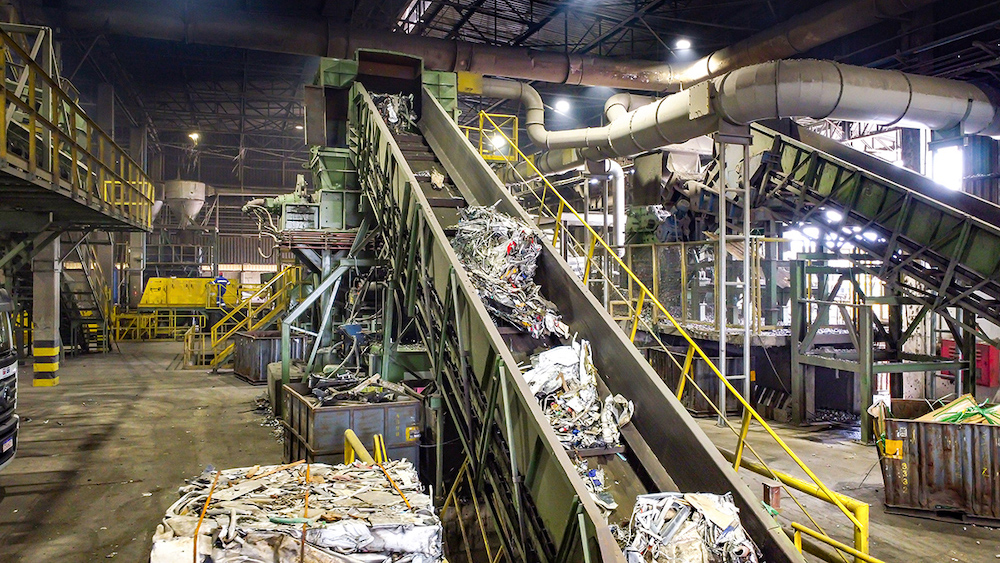
The construction industry is constantly evolving, with new materials and technologies shaping the way buildings, bridges, and infrastructures are designed and built. Among these innovations, aluminum tubes have emerged as a game-changer. Known for their lightweight structure, durability, and flexibility, aluminum tubes are increasingly replacing traditional steel and other metals in a variety of construction projects.
From commercial buildings to residential projects and large-scale infrastructures, aluminum tubing offers unmatched benefits that streamline construction processes, reduce costs, and enhance the longevity of structures. In this article, we explore how aluminum tubes are revolutionizing the construction industry across the USA.
One of the most compelling advantages of aluminum tubes in construction is their lightweight nature. Aluminum is roughly one-third the weight of steel, which significantly simplifies transportation and installation. Workers can handle aluminum tubes with greater ease, reducing labor costs and installation time.
In high-rise buildings or complex structures where lifting heavy materials can be challenging, aluminum tubes provide a practical solution. They can be easily transported to job sites and maneuvered into position without heavy machinery. This not only speeds up the construction process but also minimizes the risk of workplace injuries, making construction sites safer for employees.
Durability is a top priority in construction, and aluminum tubes deliver exceptional performance in this area. Unlike steel, aluminum is naturally resistant to rust and corrosion, even when exposed to moisture, chemicals, or harsh weather conditions.
This corrosion resistance ensures that aluminum structures maintain their integrity over decades, reducing the need for frequent repairs or replacements. Whether used for scaffolding, railings, roofing supports, or structural frameworks, aluminum tubes withstand environmental challenges while retaining strength and stability.
For architects and builders, this means fewer maintenance concerns, longer-lasting structures, and reduced overall costs over the building’s lifespan.
Aluminum tubes are highly versatile and can be fabricated into various shapes, sizes, and thicknesses to meet specific construction requirements. They can be bent, cut, or welded without compromising structural integrity, allowing architects and engineers to explore innovative designs that were difficult to achieve with heavier metals.
For example, aluminum tubing is ideal for curved structures, modern facades, or lightweight frameworks where aesthetic appeal and functionality are equally important. The material’s flexibility also makes it possible to create modular structures that can be assembled and reconfigured efficiently, offering solutions for temporary installations or adaptable building designs.
Sustainability is increasingly important in modern construction, and aluminum tubes offer significant environmental benefits. Aluminum is fully recyclable without losing quality, and producing recycled aluminum requires far less energy than creating new aluminum from raw materials.
By using aluminum tubes, construction companies reduce their carbon footprint while contributing to sustainable building practices. Many architects and developers are now prioritizing eco-friendly materials, and aluminum tubes allow them to meet green building certifications, including LEED (Leadership in Energy and Environmental Design).
Additionally, aluminum’s lightweight nature reduces transportation emissions, further enhancing its sustainability profile.
Aluminum tubes are being utilized in a wide array of construction projects across the USA:
Commercial Buildings: Aluminum tubes are used in curtain walls, window frames, and interior supports due to their strength, corrosion resistance, and modern aesthetic.
Bridges and Walkways: Lightweight aluminum tubing reduces structural load while providing long-lasting durability in outdoor applications.
Residential Projects: Aluminum tubes are ideal for railing systems, decks, pergolas, and fencing, offering both safety and design flexibility.
Industrial Construction: Factories and warehouses use aluminum tubing for HVAC supports, machinery frameworks, and piping structures.
A notable example is the use of aluminum tubes in modular construction, where pre-fabricated aluminum frameworks allow for faster assembly on-site, reducing labor time and overall project costs.
While aluminum may have a slightly higher upfront cost compared to some traditional metals, its long-term value is significant. Reduced transportation costs, lower labor requirements, and minimal maintenance needs translate into substantial savings over the life of a construction project.
Investing in aluminum tubes allows construction companies to balance initial expenditures with long-term efficiency, durability, and sustainability — making it a smart choice for both budget-conscious and premium projects.
Aluminum tubes are transforming the construction industry by combining lightweight design, durability, flexibility, and eco-friendliness. From simplifying installation to providing corrosion-resistant solutions and enabling innovative designs, aluminum tubes have proven themselves as an indispensable material in modern construction.
For architects, builders, and developers across the USA, integrating high-quality aluminum tubes into projects not only improves efficiency and aesthetics but also ensures long-lasting structures that are environmentally responsible.
Looking to enhance your construction projects with premium aluminum tubes? Contact us today to explore our full range of durable and versatile aluminum tubing solutions for every building need.
+91 95166 18000
support@aluminiumtubes.org

December 18, 2025

December 11, 2025