-
Address: 2, Reading Road,
Edison New Jersey, USA -
Address: 2, Reading Road,
Edison New Jersey, USA
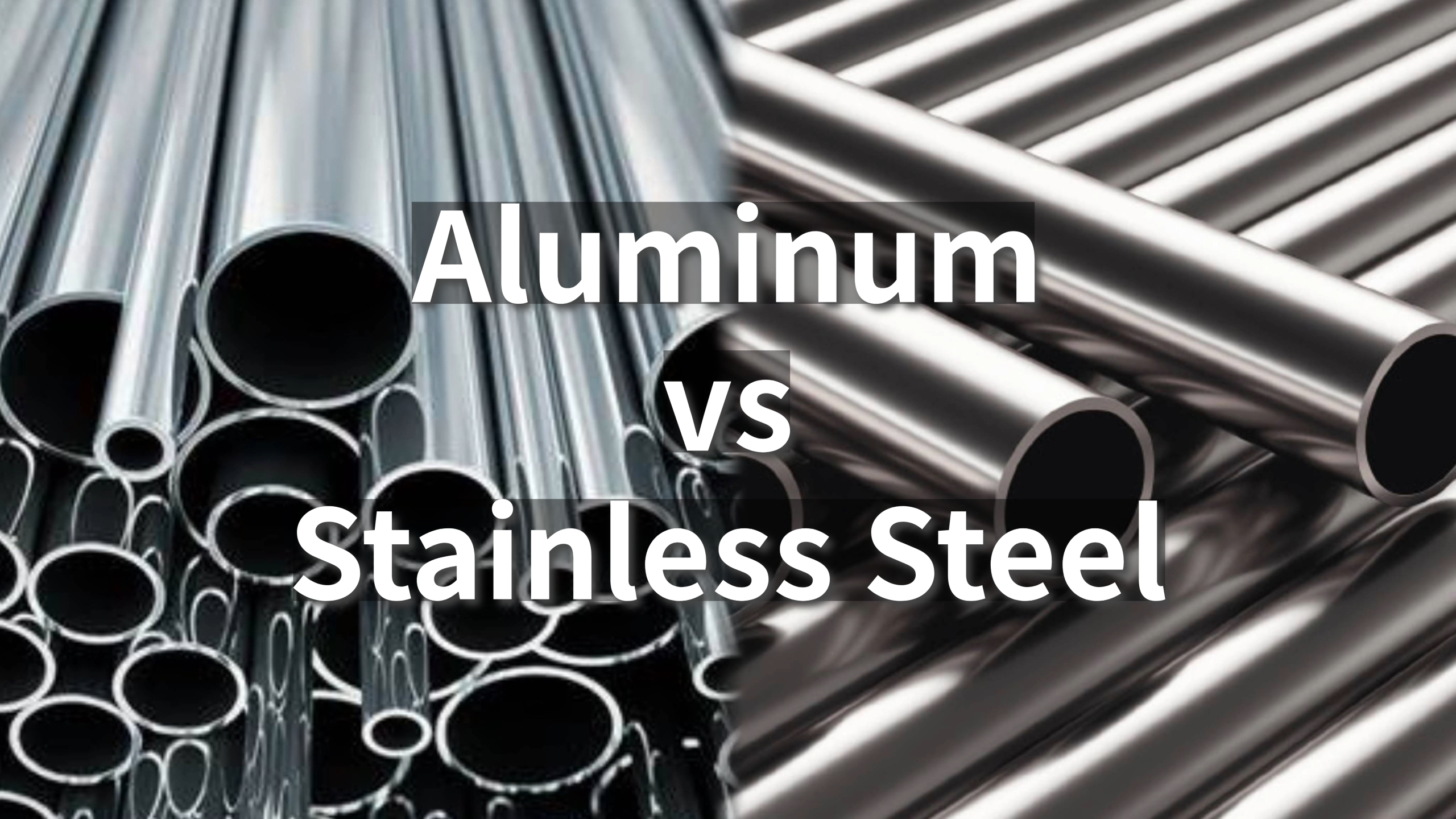
Choosing the right material for industrial and construction projects is critical for ensuring structural integrity, longevity, and cost-effectiveness. Two of the most commonly used metals are aluminum and steel. While both have unique strengths, aluminum tubes are gaining popularity across the USA for their lightweight design, corrosion resistance, and versatility.
In this article, we compare aluminum tubes and steel tubes across multiple factors to help manufacturers, engineers, and builders make informed decisions for their projects.
Weight is one of the primary considerations in material selection. Aluminum is approximately one-third the weight of steel, making it significantly lighter without compromising functional strength for most applications.
Aluminum Tubes: Lightweight, easy to handle, reduces transportation and installation costs, ideal for projects where weight reduction is critical (e.g., automotive and aerospace).
Steel Tubes: Heavy and sturdy, suitable for applications requiring maximum load-bearing capacity but increases labor and transport requirements.
For construction projects or products that require frequent movement or installation at height, aluminum tubes offer a clear advantage due to reduced handling challenges.
While steel is stronger in absolute terms, aluminum has a high strength-to-weight ratio, meaning it provides substantial strength relative to its lightness.
Aluminum: High tensile strength for its weight, ideal for applications where reducing weight is as important as maintaining durability.
Steel: Superior ultimate strength, but heavier, which can increase structural load and require stronger foundations or supports.
For example, in aerospace, transportation, and automotive industries, aluminum tubes often outperform steel because every pound saved improves efficiency, fuel economy, and ease of assembly.
Corrosion is a major factor affecting material longevity. Aluminum naturally forms a protective oxide layer that prevents rust and corrosion, even in humid or outdoor environments. Steel, unless treated or coated, is prone to rusting over time.
Aluminum Tubes: Naturally corrosion-resistant, ideal for marine, outdoor, and industrial applications without additional coatings.
Steel Tubes: Requires galvanization, painting, or other protective treatments to prevent rust and extend lifespan.
Choosing aluminum reduces maintenance needs and increases durability in environments exposed to moisture, chemicals, or weather fluctuations.
Ease of fabrication and cost considerations can influence project timelines and budgets.
Aluminum Tubes: Easier to cut, bend, weld, and machine. Custom shapes and sizes are simpler to achieve, which is particularly valuable in complex projects. Though the initial cost may be slightly higher than standard steel, long-term benefits such as reduced labor, faster assembly, and lower maintenance can offset the upfront expense.
Steel Tubes: Harder to machine and bend, requiring heavier equipment. Can be more cost-effective upfront but may incur higher labor and maintenance costs over time.
Aluminum’s lightweight nature and flexibility make it a cost-effective solution for modern manufacturing and construction.
Both aluminum and steel tubes have their niches:
Aluminum Tubes: Automotive components, aerospace frameworks, HVAC systems, outdoor railings, scaffolding, and modular construction.
Steel Tubes: Heavy-duty construction, pipelines, structural supports, industrial machinery, and applications where maximum load-bearing is essential.
In many cases, aluminum tubes are replacing steel in applications where weight, corrosion resistance, and ease of fabrication are more important than sheer strength.
Sustainability is increasingly important in today’s manufacturing and construction practices. Aluminum tubes are 100% recyclable without loss of quality, and using recycled aluminum requires significantly less energy than producing steel from raw materials.
Steel is also recyclable, but aluminum’s lower weight and energy-efficient production make it a greener option for eco-conscious industries. By choosing aluminum, manufacturers can contribute to sustainable practices and meet environmental compliance standards, including LEED certifications.
Ultimately, the decision between aluminum tubes and steel tubes depends on your project requirements:
Choose aluminum tubes if you need lightweight materials, corrosion resistance, ease of handling, and long-term cost efficiency.
Choose steel tubes if your project demands maximum strength, extreme load-bearing capacity, or lower initial material costs.
For many modern applications — particularly in construction, transportation, and industrial machinery — aluminum tubes provide the best balance of performance, durability, and efficiency.
Both aluminum and steel tubes have their place in manufacturing and construction. However, the advantages of aluminum — lightweight design, corrosion resistance, ease of fabrication, sustainability, and versatility — make it a preferred choice for many projects across the USA.
By evaluating your specific project needs, including weight requirements, environmental exposure, and long-term costs, you can select the ideal material that ensures durability, efficiency, and high performance.
+91 95166 18000
support@aluminiumtubes.org